

For years, PC gaming carried a reputation for being powerful but inconvenient. Towers took up space, cables filled desks, and hardware upgrades felt intimidating for new players. However, Valve seems ready to challenge that perception with the return of the Steam Machine in 2025. This device aims to deliver PC power with console simplicity, and it may reshape how Australians build their gaming setups.
Although many people still prefer full-sized PCs, the growth of portable gaming devices, mini PCs, and flexible living-room setups shows that the gaming world is shifting. Furthermore, the success of the Steam Deck proved that players are willing to embrace Linux-based gaming if the experience feels smooth. Meanwhile, software improvements like Proton, better SteamOS performance, and new compatibility layers give Valve the tools it once lacked.
The gaming hardware landscape has also changed. In other words, 2025 feels like the first time Valve has enough leverage to influence how future PC gaming evolves. And Aussie players, who often need compact, efficient systems due to housing sizes and prices, may be among the biggest beneficiaries of this shift.
PC Gaming No Longer Needs a Massive Tower (Valve Steam Machine 2025)
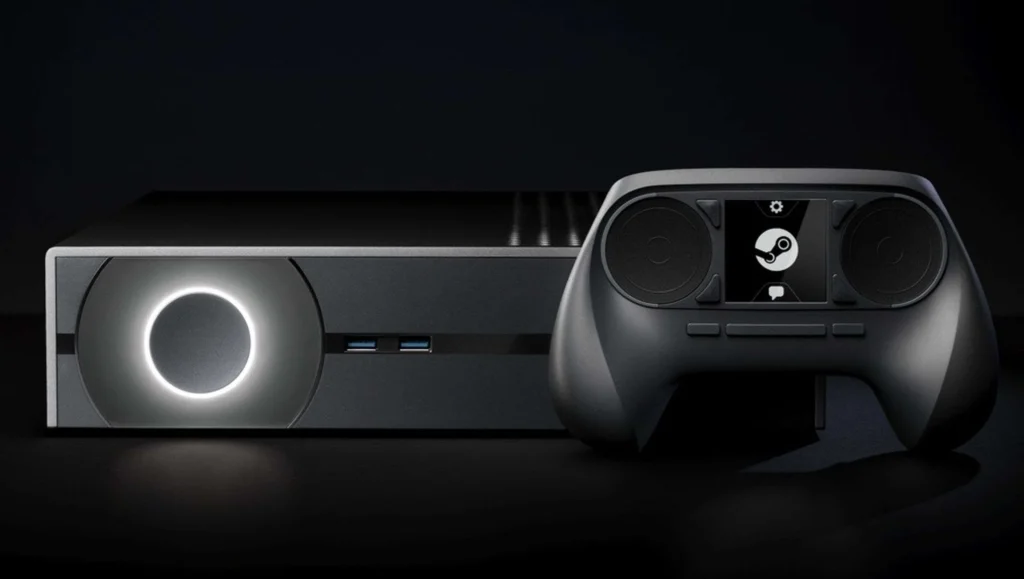


One of the biggest shifts in recent years is the move toward compact hardware. Many players now build mini-ITX systems or rely on devices like the Steam Deck. The Steam Machine 2025 arrives at the perfect time because it offers full PC functionality in a much smaller package. Furthermore, its performance reportedly reaches six times the power of the Steam Deck, which means you no longer need a full tower to play demanding titles.
Australian apartments and rentals continue to shrink in size. Meanwhile, younger players increasingly favour setups that reduce clutter. Because the new Steam Machine fits anywhere and still runs modern games, it may influence how future gamers build their first PC setups.
SteamOS Has Matured Enough To Support Mainstream Users -Valve Steam Machine 2025



SteamOS struggled in its early years. Games rarely ran at full performance, and Linux support was limited. However, the landscape changed drastically after the Steam Deck launched. Proton became robust, hundreds of titles became verified, and developers gained incentives to support Linux builds.
Because of these improvements, the Steam Machine 2025 arrives in a world where SteamOS finally works. Meanwhile, the addition of Android app support — reported by The Verge — helps expand the platform even further. This new compatibility could push developers to optimise their titles for hybrid Linux environments, which future devices may adopt as well.
The Living Room Is Becoming the New PC Battleground – Valve Steam Machine 2025



For decades, PC gaming happened on desks. Meanwhile, consoles dominated the lounge room. However, recent trends show younger players prefer couches, bigger displays, and more social setups. The 2025 Steam Machine leans heavily into this shift. It behaves like a console but remains fully customisable like a PC.
Furthermore, streaming apps, Android support, and multi-purpose software make it more than a gaming device. It becomes a complete entertainment hub. This versatility could influence how future PC hardware is designed, especially when demand for hybrid devices continues to rise.
Why Aussie Players Could Drive This Trend
| Factor | Australian Situation | Impact on Adoption |
|---|---|---|
| Housing Size | Smaller apartments | Compact hardware becomes appealing |
| Retail Prices | High PC component costs | Steam Machine offers cheaper entry |
| Internet Speeds | Uneven across regions | Local processing is more reliable |
| Gaming Culture | Strong PC community | SteamOS gains quick adoption |
| Console Stock | Occasional shortages | Extra alternatives gain interest |
Australia’s gaming scene has always been flexible. Players often mix PC and console habits based on price, space, and internet performance. Because the Steam Machine 2025 addresses many local concerns, it could shape the direction of PC gaming across the region. Furthermore, younger players entering the hobby often prefer devices that “just work,” and that simplicity may strengthen the Steam Machine’s influence.
A Potential Shift in How Developers Optimise Games



If the Steam Machine gains traction, developers may focus more on Linux optimisation. This shift could benefit all PC players because a stable Linux gaming environment leads to better performance and fewer compatibility issues. Meanwhile, studios could design games with flexible hardware in mind, improving experiences for players on mid-range devices.
Furthermore, Android app support opens new opportunities for cross-platform releases. Indie studios, mobile developers, and hybrid software creators can reach new audiences through SteamOS. In other words, the Steam Machine may influence the entire game development pipeline, not just the hardware market.
The Steam Machine 2025 might represent more than a new device. It could signal a major shift in how the world views PC gaming. Valve’s reboot arrives during a moment when players want convenience, portability, and flexibility. Meanwhile, improvements in SteamOS, Proton, and hardware architecture give the platform real momentum.
Australians stand to benefit the most because the device solves local challenges around space, price, and reliability. If the reboot succeeds, future PC gaming may move away from bulky towers and toward compact, console-like computers that still retain the freedom PC players love.
FAQ Section
About the Author


