

The Spurs vs Warriors clash in San Antonio wasn’t just another early-season matchup — it was a teaching moment on how experience and emerging talent intersect on the NBA stage. Stephen Curry reminded everyone why he remains basketball’s ultimate closer, while Victor Wembanyama and Stephon Castle etched their names into Spurs history with dual triple-doubles.
What unfolded was a balance of poise and promise. Golden State relied on maturity and timely shooting to escape with a 125–120 win, while San Antonio showcased the future foundation of its franchise through disciplined, team-oriented play.
By the Numbers : What Defined the Momentum Shift – Spurs vs Warriors
Every strong explainer starts with context — and numbers tell this story best. Both teams traded control through shooting rhythm, turnovers, and tempo. The Spurs outworked the Warriors on the glass but failed to manage the ball in transition, while Curry’s precision shooting flipped momentum after halftime.
Warriors vs Spurs Game Stats
| Category | Warriors | Spurs |
|---|---|---|
| Field Goals | 44/88 (50%) | 46/94 (48.9%) |
| 3PT Shooting | 21/43 (48.8%) | 14/39 (35.9%) |
| Free Throws | 32/36 (88.9%) | 14/16 (87.5%) |
| Rebounds | 42 | 49 |
| Assists | 27 | 30 |
| Turnovers | 12 | 20 |
A closer look reveals three major insights:
- Golden State’s spacing and three-point accuracy compensated for rebounding gaps.
- San Antonio’s 20 turnovers erased what could have been a decisive home win.
- Curry’s efficiency (15-of-16 free throws) became the separator in crunch time.
These details explain not just who won, but how momentum evolved — a valuable model for understanding both team identities.
Curry’s Game Control : The Anatomy of a 46-Point Performance – Spurs vs Warriors
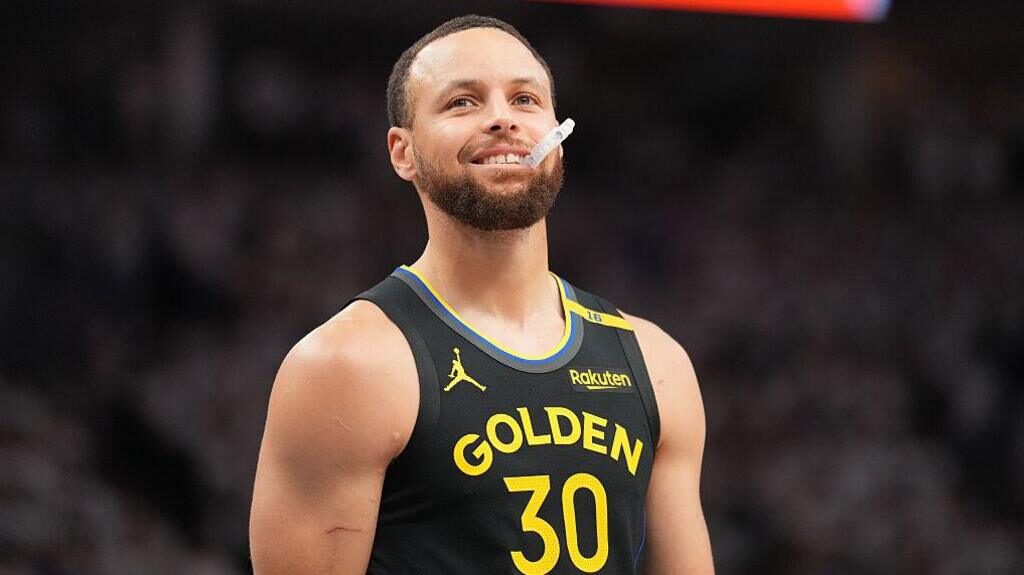
Curry’s 46 points were less about volume and more about orchestration. His ability to dictate pace and punish mismatches was central to Golden State’s comeback. He scored from every angle — deep threes, transition floaters, and foul-line pull-ups — illustrating how mastery of rhythm shapes outcomes.
Examples of Curry’s game management included:
- A 22-point third quarter, where his quick-release shots broke the Spurs’ zone.
- Leading a 12–2 run through defensive reads and instant spacing adjustments.
- Maintaining composure under double teams by initiating off-ball rotations.
What set his night apart wasn’t just shot-making — it was timing. When momentum hung in balance, Curry delivered precision rather than pressure.
Spurs’ Historic Moment – Wembanyama and Castle’s Dual Triple-Doubles
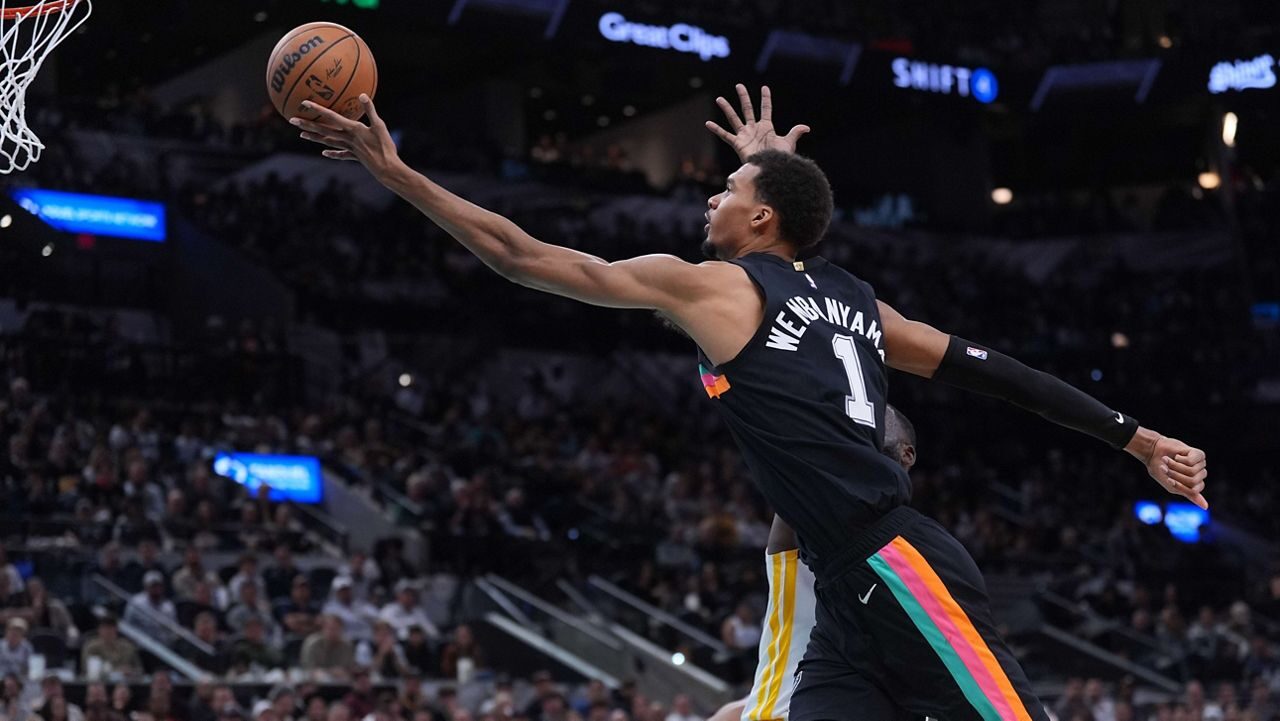
San Antonio’s loss carried an extraordinary silver lining. Both Victor Wembanyama (31 points, 14 rebounds, 10 assists) and Stephon Castle (23 points, 10 rebounds, 10 assists) recorded triple-doubles — the first time in franchise history two Spurs achieved the feat in the same game.
This development signals more than statistical success. It shows how coach Gregg Popovich’s system empowers youth through trust and structure:
- Castle’s maturity as a ball-handler elevated offensive balance.
- Wembanyama’s adaptability — from rim protection to playmaking — showed leadership growth.
- Team synergy built around versatility, not hierarchy.
Even in defeat, the Spurs demonstrated the kind of multi-dimensional depth that can sustain long-term competitiveness — the essence of developmental basketball.
Tactical Breakdown – Lessons Behind the Comeback
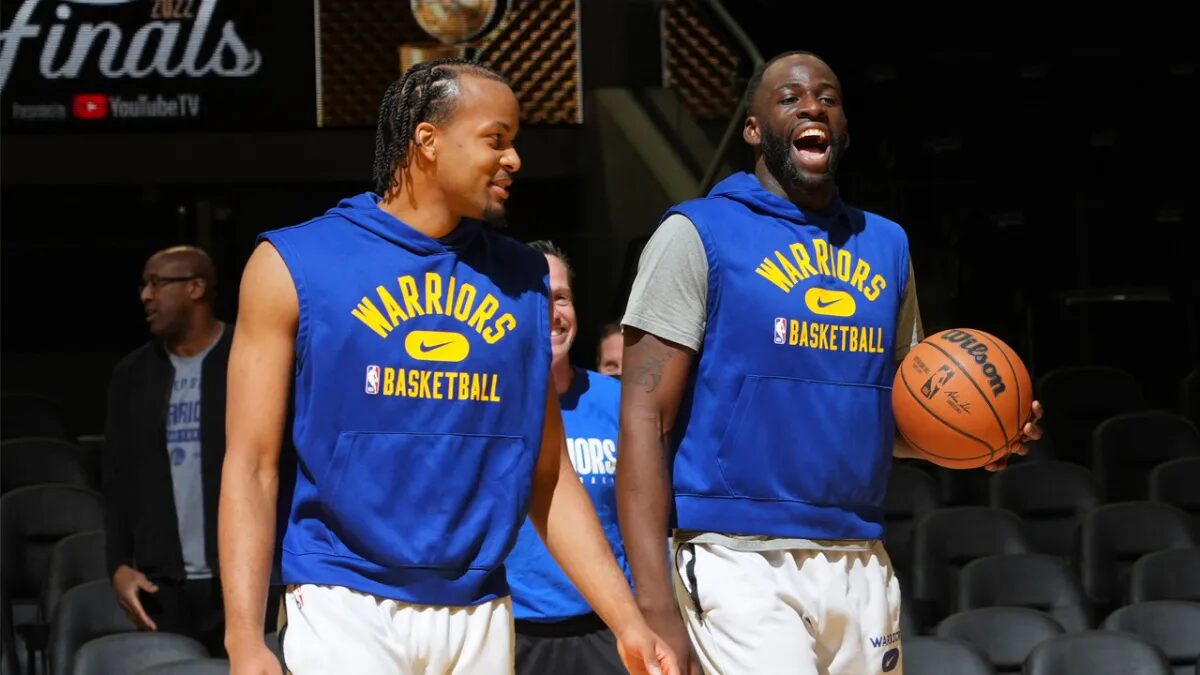
Explaining the strategic layers reveals how both sides learned mid-game. Golden State focused on high screens and floor spacing to create isolation pockets for Curry and Butler, while San Antonio adjusted by funneling drives but struggled with help defense rotations.
Key tactical elements include:
- Warriors’ adjustment: Rotating Green and Moody as defensive anchors to offset size disadvantages.
- Spurs’ struggle: Transition defense lapses allowing open looks from beyond the arc.
- Coaching contrast: Kerr’s simplified offense in crunch time vs. Popovich’s developmental focus on player decision-making.
These in-game micro-adjustments illustrate how strategy defines flow — where small execution differences produce large scoreboard shifts.
Conclusion – What This Game Really Showed
The Spurs vs Warriors matchup wasn’t simply a scoreboard contest; it was a lesson in contrast — the calm precision of an established dynasty against the bold experimentation of an emerging team. Curry’s 46 points represented continuity, while Wembanyama and Castle’s shared milestone symbolized transformation.
This game reaffirms that the NBA’s evolution thrives on moments like this — where the past and future meet under one arena roof. Golden State walked away with the win, but San Antonio walked away with proof that the next generation is learning fast.
FAQs
About the Author


