

The landscape of competitive gaming reached a fever pitch in 2021 when the Dota 2 prize pool for The International 10 shattered records, peaking at an eye-watering $40.02 million. It was a moment of peak “esports inflation,” driven by a community-funded model that seemed unstoppable. however, as we move through the 2026 season, the narrative has shifted from explosive growth to a calculated stabilization. The days of crowdfunding-induced “mega-pools” have been replaced by a more traditional sports-centric approach, signaling a massive change in how Valve manages its flagship title and how the broader esports economy functions in a post-pandemic world.
The Essentials: TI Prize Pool Quick-Facts
The Context: How We Got Here

To understand the current state of Dota 2 updates, one must look at the timeline that led to the current prize pool decline. For over a decade, the “Battle Pass” was the engine of the Dota 2 ecosystem.
- The Crowdfunding Pioneer: Starting in 2013, Valve allowed fans to contribute to the prize pool by purchasing in-game cosmetics. 25% of all sales went directly to the pro players.
- The 2021 Peak: The TI history reached its zenith during the pandemic, where extended sales periods and high-tier rewards pushed the pool over the $40M mark.
- The Strategy Shift: Following TI10, Valve announced a move away from “cosmetic-heavy” Battle Passes to focus on more frequent, gameplay-oriented updates like Crownfall.
- The Result: TI12 lowest prize pool since 2013 ($3.29M) served as a wake-up call for fans who equated the health of the game with the size of the check.
Why Did Dota 2 Prize Pools Decline After 2021?
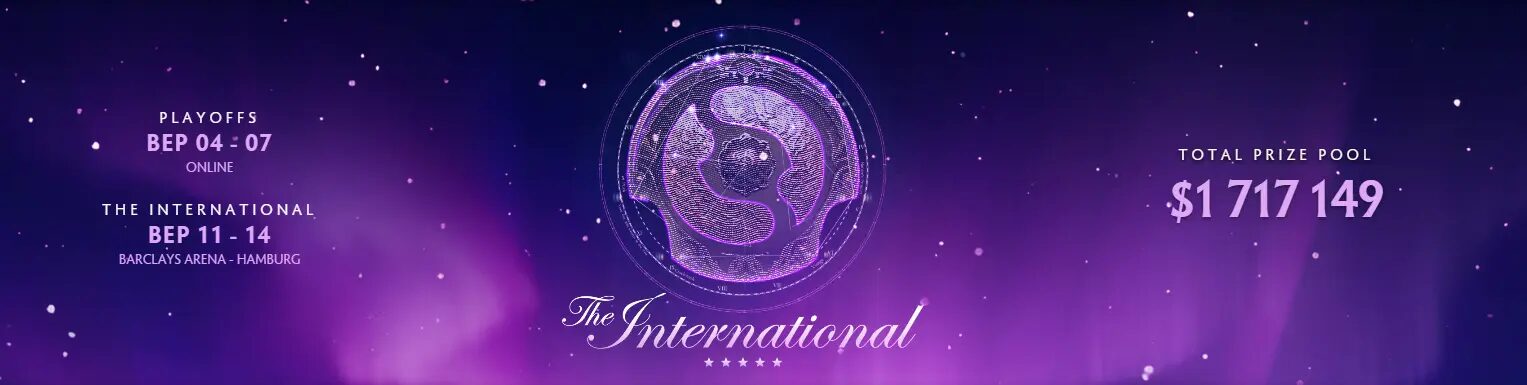
The primary reason Valve ends Battle Pass crowdfunding model initiatives isn’t a lack of interest in the game, but a shift in corporate philosophy. Analysts suggest that the “prestige” of the massive prize pool started to cannibalize the rest of the year. When one tournament offers $40 million and every other event offers $500,000, the rest of the season feels irrelevant.
By scaling back, Valve is attempting to fix the Dota 2 esports economy sustainability news cycle. The Dota Pro Circuit shutdown impact on esports was another major factor; by removing the rigid regional leagues, Valve essentially decentralized the competitive scene, allowing third-party organizers like ESL and Falcons to step in. This shift means that while the TI prize pool is smaller, the money is distributed more evenly across the year through various high-stakes tournaments.
“The community funding collapse in Dota 2 esports isn’t necessarily a sign of a dying game, but rather a sign of a maturing market. We are moving away from the ‘bubble’ of record-breaking numbers toward a model that doesn’t rely on selling hats to fund a profession.” — Anonymous Esports Analyst
TI14 and the New World Order
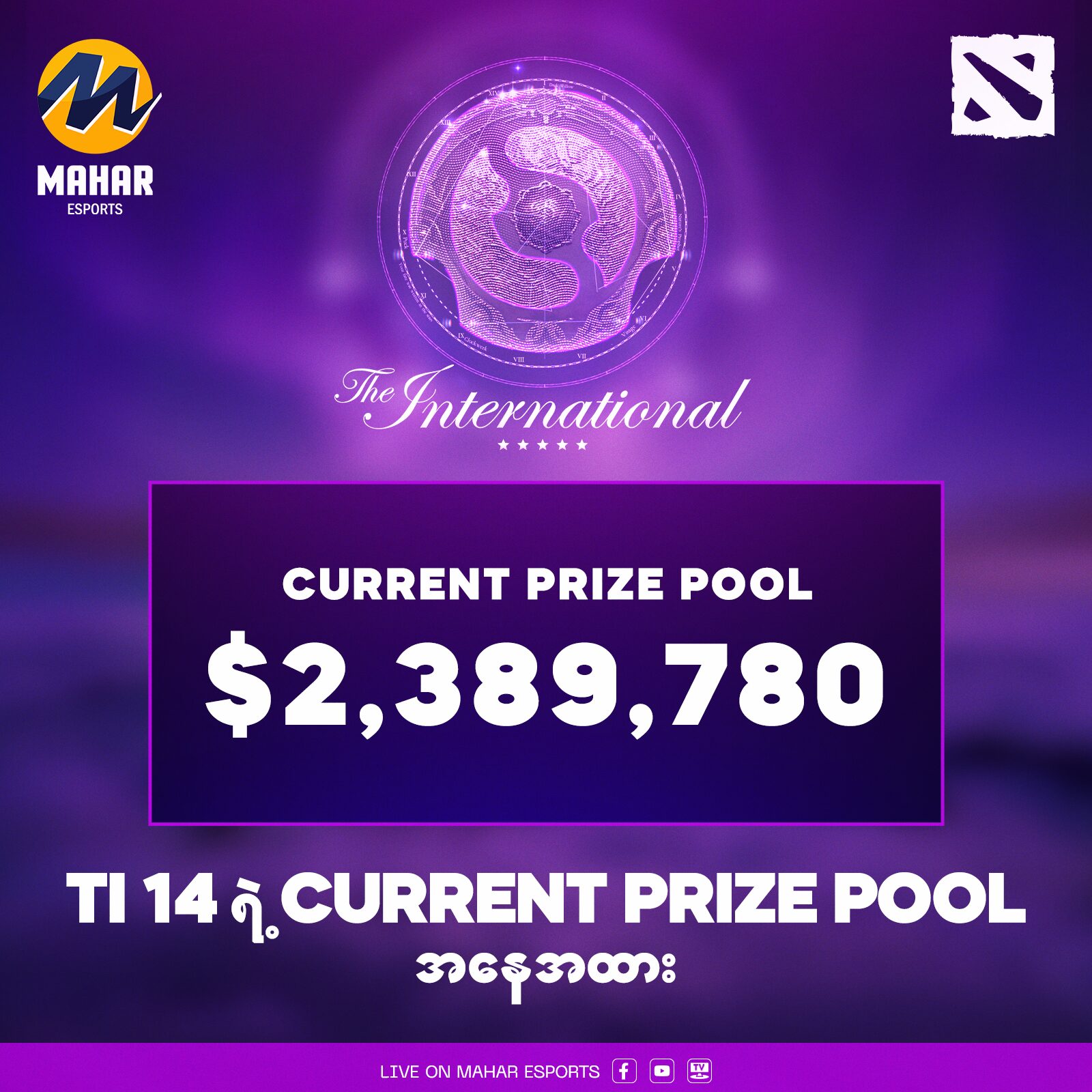
As we look toward TI14, the expectations have been recalibrated. The TI14 prize pool predictions and analysis suggest a total landing between $2.5M and $3.1M. While this is a fraction of the TI10 total, it remains significant within the broader context of Valve news.
The esports breaking news of 2025 and 2026 has been dominated by the rise of the EWC and Riyadh Masters. In a poetic reversal of roles, Riyadh Masters surpasses The International prize money, often offering $15M or more. This has led to a future of The International prize structure where the “Aegis of Champions” is chased for its legacy and prestige rather than just the payout. The TI14 tournament in Hamburg is being framed more as a world championship of skill rather than a crowdfunding telethon.
Breaking Down the Comparison: TI vs. The New Circuit – Dota 2 Prize Pool
Event Metrics Progression
-
The International (Current)
Funding Source: Developer Base + Community
Prestige Level: Highest (Legacy)
Prize Range: $2.5M – $3.5M
Focus: Gameplay & History -
Third-Party Mega-Events (EWC/Riyadh)
Funding Source: Private/Sovereign Investment
Prestige Level: Moderate (Newer Era)
Prize Range: $10M – $15M
Focus: Spectacle & Scale
The Future: A More Balanced Ecosystem? – Dota 2 Prize Pool

The The International prize pool history breakdown shows a mountain that we may never climb again. However, the Dota 2 news cycle is currently more active than ever. By detaching the game’s success from a single dollar figure, the community is focusing more on roster shuffles, meta-shifts, and the quality of the broadcast.
The esports economy is currently undergoing a “right-sizing.” While the prize pool decline feels jarring to those who remember the $40M days, it reflects a broader trend across all titles, including League of Legends and CS2, where sustainability is the new priority. Winning a Dota 2 prize pool at TI is still the ultimate dream for any pro, but the path to getting there no longer requires the community to shoulder the entire financial burden through digital item sales.
Conclusion – Dota 2 Prize Pool
The story of the Dota 2 prize pool is a fascinating case study in the evolution of digital economies. From a humble $1.6 million in 2011 to the dizzying heights of 2021, and now back to a modest, sustainable figure, the journey reflects a game that is growing up. While we may not see another record broken this year, the focus on gameplay over gimmicks suggests that the “Front Line” of Dota 2 is as competitive as ever. As we look toward the final results of TI14, it is clear that the prestige of the Aegis remains untarnished by the smaller check attached to it.tles into stability, its place in history is already secured.
FAQs
Q1: Which TI set the all-time prize pool record? ▼
Q2: How did the pandemic affect TI10’s funding? ▼
Q3: Why did TI11’s prize pool drop significantly in 2022? ▼
Q4: What was notable about TI12’s prize pool in 2023? ▼
Q5: How did the community react to TI12’s small prize pool? ▼
About the Author


