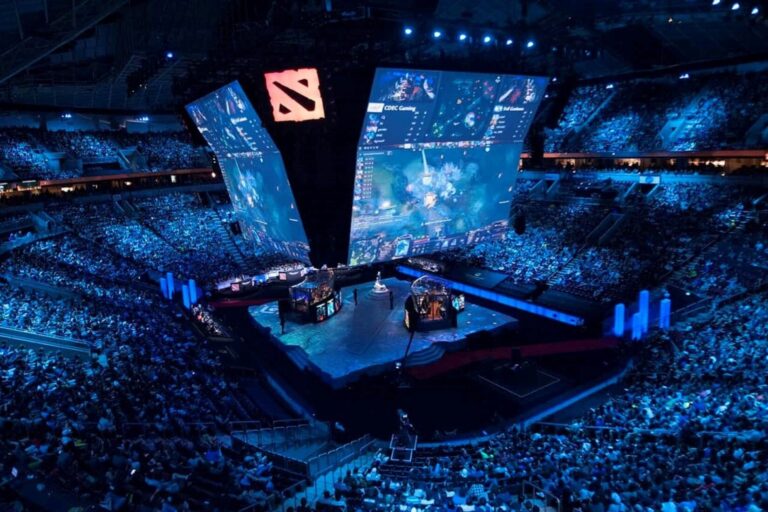
The SEA Dota2 Player Interviews series takes readers behind the screens of Southeast Asia’s most passionate esports professionals. Instead of merely reporting match results or patch discussions, these interviews dive deeper — exploring who these players are, how they think, and what drives them in one of the world’s most competitive Dota 2 regions. This explainer examines the mechanics behind the series: how each interview is structured, the approach to storytelling, and how it connects players’ personal stories to the region’s growing esports culture.
Quick Look
The Foundation of the Interview Format

Each interview is built on a structured conversation flow, designed to balance analytical depth with emotional resonance. The key purpose is to make sure both casual readers and dedicated Dota 2 fans can follow along easily. The usual format includes:
- Opening Introduction: Sets the tone by briefly revisiting the player’s history, team role, and notable achievements.
- In-Game Perspective: Focused on strategy, hero preferences, patch opinions, and training routines.
- Emotional Core: Discusses challenges — from burnout and team tension to balancing fame and personal life.
- Reflection and Advice: Players share insights for younger talents and reflect on what it means to represent SEA.
For instance, when a veteran like Mushi talks about leading teams across generations, it sets a different tone than when Mikoto discusses his growth under pressure at international LANs — yet both follow the same framework that emphasizes authenticity and flow.
Storytelling Design – SEA Dota2 Player Interviews

What makes these interviews stand out is the storytelling format that transforms simple Q&As into immersive narratives. The writer acts not just as an interviewer but as a story curator, weaving dialogue and emotion into a fluid reading experience. Common techniques include:
- Descriptive Openings: Setting the scene — such as a tense practice room or post-match hotel interview — to ground readers in the moment.
- Direct Quotes for Impact: Players’ voices remain central, ensuring their words convey tone, honesty, and personality.
- Layered Narratives: Combining technical insight (team meta, strategy) with personal emotion (self-doubt, motivation).
For example, a feature on Jabz might open with the sound of keyboards clacking before transitioning into his reflections on maintaining focus during long training blocks. This balance of scene-building and introspection defines the format’s strength.
Themes that Define the SEA Dota 2 Identity – SEA Dota2 Player Interviews

Every SEA Dota 2 Player Interview touches on deeper themes that reflect the region’s unique esports identity. While each player’s story differs, common threads often include:
- Adaptability: How SEA players adjust to frequent patch changes or international playstyles.
- Team Unity: Managing cultural and communication barriers in mixed-nationality rosters like Talon Esports.
- Resilience: Overcoming losses, fan criticism, or roster instability.
- Pride and Legacy: Representing Southeast Asia on global stages and proving the region’s competitive worth.
For instance, Blacklist International’s veterans often discuss carrying the SEA legacy forward, while BOOM Esports players emphasize building chemistry across countries — all through a lens of regional pride and determination.
Why This Format Works for Both Players and Fans

The SEA Dota2 Player Interviews format succeeds because it builds connection and clarity. Players gain a space to share more than their stats — they get to reveal their personalities and philosophies. Meanwhile, fans receive structured insights they can understand and relate to.
It works because it appeals to different audiences at once:
- Players: A platform to express authentic experiences beyond press conferences.
- Fans: Access to honest and emotional stories about training, setbacks, and teamwork.
- Industry Analysts: A resource to study SEA’s esports mindset, team cultures, and competitive evolution.
For instance, when 23savage discusses the mental challenges of competing internationally, fans relate emotionally, while analysts use it to gauge SEA’s competitive readiness — showcasing how multi-layered this format truly is.
Conclusion – The Storytelling Blueprint of SEA’s Esports Spirit
The SEA Dota2 Player Interviews series serves as a storytelling blueprint for how esports journalism can bridge data and humanity. Every conversation captures the soul of Southeast Asia’s Dota 2 culture — its perseverance, teamwork, and emotion.
By maintaining a structured yet personal format, these interviews document the ongoing evolution of SEA esports while giving players their rightful spotlight. It’s not just about performance or patch mastery — it’s about the people behind the plays, the emotions behind the achievements, and the voices shaping the region’s future in global competition.
FAQs
Q1:How do SEA Dota 2 teams prepare for international tournaments like The International or Riyadh Masters? ▼
Q2:What makes SEA drafting strategies unique compared to other regions? ▼
Q3:How do SEA teams handle communication in multi-national rosters? ▼
Q4:What kind of mental training or support do SEA players receive? ▼
Q5:How has the SEA Dota 2 meta evolved in 2025? ▼
About the Author