

Security scares at airports aren’t new, but the one at Rockhampton hit a nerve across Australia’s aviation industry. Airlines saw how quickly a regional shutdown can turn into a nationwide disruption, and many began reviewing their safety plans the same day. The event didn’t reveal a system in crisis, but it did expose gaps that airlines can’t ignore anymore (Rockhampton Airport travel disruption).
The scare also reminded travellers that airline safety isn’t only about aircraft and engines. It’s about communication, coordination, and the ability to react fast when something unexpected appears at a checkpoint. Rockhampton showed where things worked — and where they didn’t.
Rockhampton Airport travel disruption- Airlines Reacted Quickly, but They Saw Room for Improvement
Virgin Australia and QantasLink followed emergency instructions within minutes. Crews moved travellers away from the building and kept them calm. Even with that strong response, the scare revealed the need for clearer communication tools and more efficient decision flow between airport teams and airline managers.
The Scare Highlighted Communication Gaps : Rockhampton Airport travel disruption
Travellers said they received unclear instructions. Some learned more from social media than from staff. Airlines took note because communication shapes passenger trust. A strong safety response loses value when people don’t understand what is happening.
Regional Airports Need Better Emergency Tools : Rockhampton Airport travel disruption
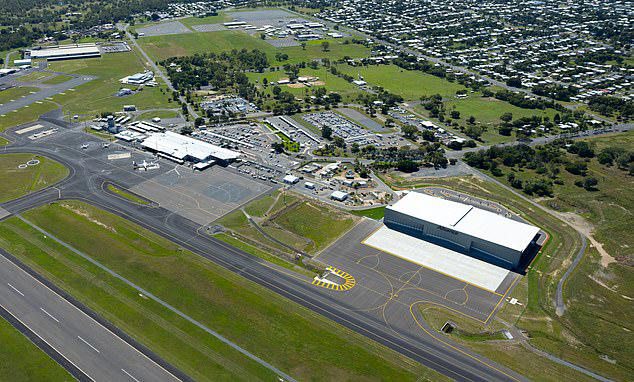
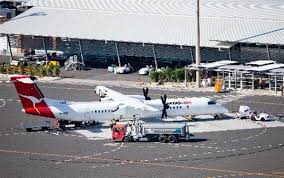
Rockhampton operates with limited space and smaller teams. The evacuation exposed how tough it is to move hundreds of travellers into safe areas without shade or proper waiting zones. Airlines now push for better infrastructure because they rely heavily on regional airports for their daily operations.
How the Industry Reviewed Safety Plans
| Focus Area | Issue Exposed | Industry Response |
|---|---|---|
| Communication | Mixed messages | Faster update systems |
| Passenger Welfare | Limited shade outdoors | More emergency equipment |
| Crew Coordination | Delayed briefings | Streamlined protocols |
| Flight Rescheduling | Ripple effects nationwide | New rotation plans |
Airlines Want More Consistent National Standards

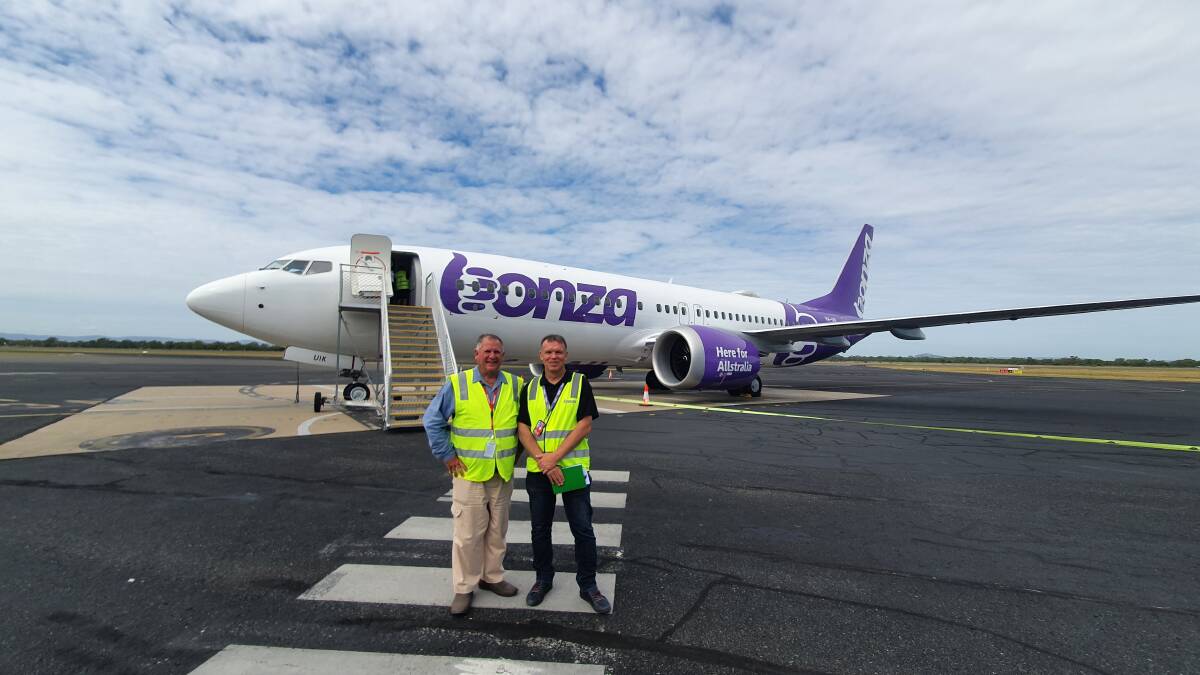
Australia manages airport safety through federal rules, but each airport runs its own processes. After the Rockhampton scare, airlines pushed for stronger national consistency. They want clearer procedures so crews know exactly what to do, no matter which regional airport they land in.
The Rockhampton Airport scare didn’t stop flights for long, but it changed how airlines think about emergency planning. It exposed weak points in communication, coordination, and passenger care. Most importantly, it pushed airlines to demand stronger, more consistent standards at regional airports. The system kept travellers safe, but the day proved that safety planning must evolve as threats and expectations change ( The Nightly and Daily Mail Australia).
FAQ Section
About the Author


