

Aussie summer has always had a bit of swagger, but this weekend it’s turning into a full-on raid boss. BOM forecasts show temperatures spiking across NSW, with Western Sydney expected to feel like a giant outdoor oven by Saturday afternoon. Reports from The Guardian and SMH reveal the heatwave is driven by a slow-moving high-pressure system that refuses to budge, pushing hot inland air straight over the state. For weekend sport lovers—whether you’re coaching under-10s cricket, running in the A-League Pathways program, or just heading to social touch footy—this heat changes everything (Weekend sport heat risks).
Why This Weekend’s Heatwave Is a Serious Threat to Outdoor Sport : Weekend sport heat risks
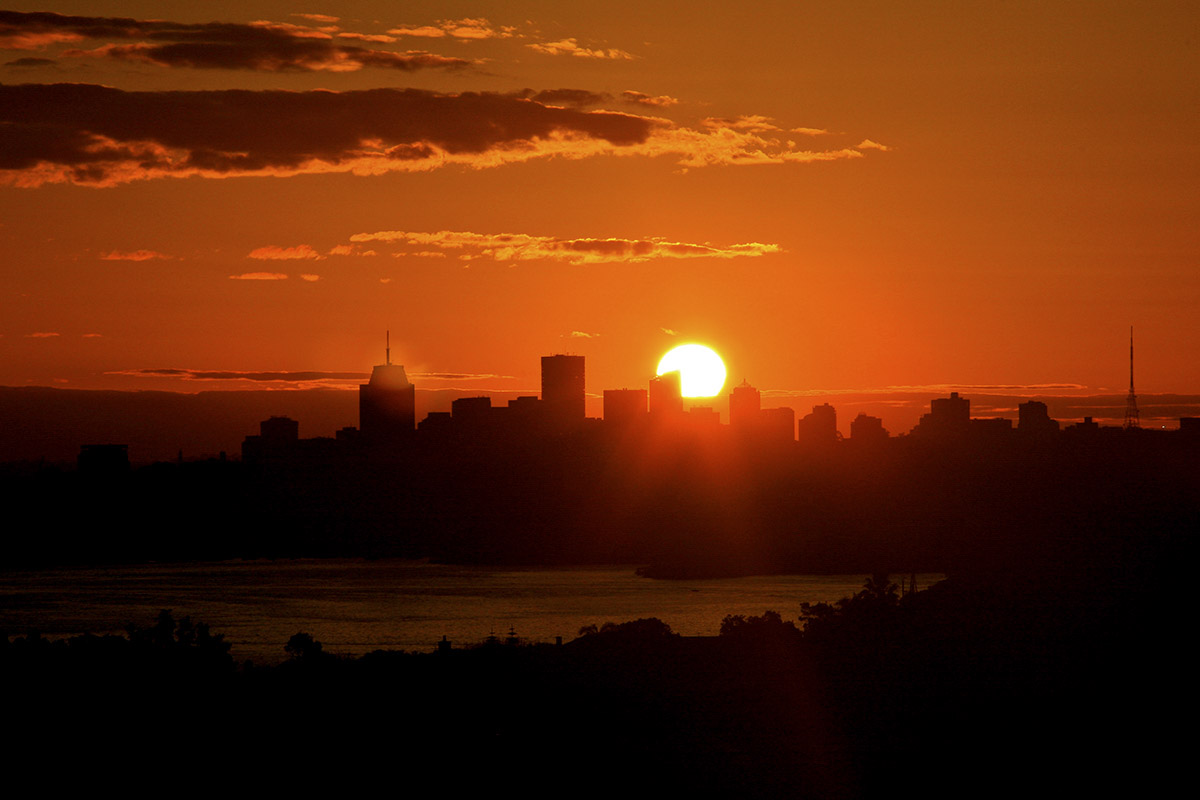

The slow-moving high over the Tasman Sea is sending consecutive waves of hot, dry air across NSW. The SMH warns that this pattern gives the heat time to build day after day, meaning athletes who train Friday might enter Saturday already dehydrated without realising it. The Guardian reports Penrith may crack 40°C, and similar temperatures may hit the Hunter and inland regions. That’s beyond “drink water and tough it out” levels—this is medically dangerous heat.
Heat Stress and Dehydration will Hit Athletes Fast -Weekend sport heat risks

Weekend sport usually comes with tough competition and even tougher coaching, but health authorities say this weekend isn’t one where pushing limits is wise. Once temperatures rise above 35°C, especially under the punishing sun of open ovals, the human body struggles to cool itself. NSW Ambulance told media outlets that headaches, dizziness, vomiting, and muscle cramps can appear suddenly, and young players often miss early signs because they’re caught up in gameplay.
Fire Danger Will Influence Where and When Sport Can Be Played : Weekend sport heat risks

Sky News reports extreme fire danger across Sydney, Hunter, Illawarra, and inland NSW. Many sports venues sit near bushland or grassy reserves that dry out quickly during heatwaves. Even if sport itself is technically safe, smoke risk and evacuation potential may force clubs to delay or cancel fixtures. Sports fields that back onto dry paddocks or national parks face the highest risk.
Crowded Beaches Become the Backup Plan—but Bring New Risks

Australia has a way of shifting weekend plans from sport to surf when heat spikes. However, ABC’s coverage highlights a worrying pattern: drowning rates rise during heatwaves due to fatigue, dehydration, and crowded conditions overwhelming lifeguards. That means families skipping soccer or cricket may still face heat-related danger near the water. Shade, hydration, and supervision become just as crucial at the beach as they are on the sporting field.
Clubs, Parents, and Councils Are Scrambling to Adjust

Local councils across NSW are preparing water stations, shade tents, and additional staff for community events. Sporting clubs are revising schedules, sometimes shifting games to early morning or late evening. Some have already cancelled youth fixtures out of caution. The Nightly reports that Western Sydney suburbs like Penrith, Blacktown, and Parramatta are receiving special warnings due to the urban heat island effect, which traps heat and delays overnight cooling.
This weekend’s heatwave isn’t like the usual sweaty Saturday Aussies shrug off. It’s an environmental threat that forces clubs, families, and athletes to rethink how sport is played—if it can be played at all. With fire danger rising, dehydration risks climbing, and a heat dome pressing down on NSW, the priority must shift from competition to community safety. Sport will always return, but heatstroke doesn’t give second chances.
FAQ Section
About the Author


