

The UFC323 Pantoja vs Van main event represents a moment where two fundamentally different combat philosophies meet at their highest expression. Alexandre Pantoja has built a championship reign on pressure that forces mistakes and grappling sequences that punish every opening. Joshua Van, by contrast, enters with composure built on pace, combination accuracy, and a striking system designed around sustainability rather than volatility.
This fight is not simply youth versus experience. It’s structure versus chaos, method versus instinct — a matchup where the winner is likely the fighter who bends the other away from their foundational identity.
Fighter Identities and Core Operating Systems
Understanding the tactical backbone of this matchup begins with how each fighter constructs their game round by round. Pantoja builds discomfort. His entries are rarely clean but deliberately disruptive, steering opponents into reactive wrestling or compromised footwork. His durability allows him to accept damage in exchange for positional advantage.
Van’s offense operates on a tighter grid. He manages range with oblique kicks, then layers combinations through predictable lanes that still produce unpredictable outcomes. He often ends sequences with body shots, much like he did against Bruno Silva, where a steady investment downstairs slowed Silva’s counters by the third round.
Technical Comparison Table
| Category | Alexandre Pantoja | Joshua Van |
|---|---|---|
| Primary Strength | Grappling chains, back control | Combination boxing, body shots |
| Preferred Range | Mid-range to clinch | Pocket and mid-range |
| Key Weapon | Pressure entries into scrambles | Oblique kick + long combos |
| Risk Factor | High output leads to energy dips | Defensive wrestling still untested |
| Win Condition | Forced grappling exchanges | Maintaining center and pace |
This foundation sets up the tactical contrasts that define UFC 323.
Offensive Layers: How Each Fighter Creates Scoring Windows – UFC323 Pantoja vs Van
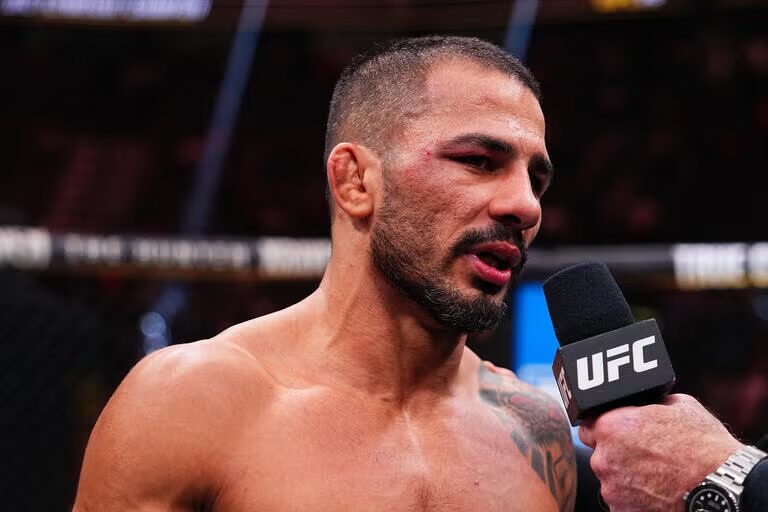
Pantoja’s offense is based on forcing a pace that makes the clean mechanics of his opponents break down. He often throws wide hooks not to land perfectly but to obscure a level change. His low kicks flatten stances, creating moments where opponents must either retreat or plant — both choices opening grappling lanes. For example, against Erceg, a single calf kick shifted Erceg’s foot into a compromised angle that opened the door for an immediate clinch.
Van’s offense, meanwhile, is built on anticipation rather than disruption. His four-to-six strike sequences often place a high shot before a liver-targeted straight — a rhythm he used repeatedly in the Royval fight to manage range and score damage. His ability to reset quickly after combinations gives him a pacing advantage over opponents who rely on big moments rather than steady output.
Inside these offensive systems:
• Van thrives when exchanges are clean and directional
• Pantoja thrives when exchanges are layered and extend into scrambles
• Each fighter’s strength interrupts the other’s rhythm
This is the reason both analysts and odds-makers consider this matchup tactically volatile.
Defensive Adjustments and Betting Signals

Pantoja’s defensive questions are tied to his pacing. In longer exchanges, especially late in rounds, he sometimes abandons defensive footwork in favor of sheer will. Against a counter-focused boxer like Van, this creates opportunities for intercepting shots — particularly to the body, where Van excels.
Van’s defensive questions, however, are systemic. His wrestling has held up against strikers and transitional grapplers, but not against a chain-wrestler with championship polish. The key question is not whether Van can defend the first takedown, but whether he can defend the sequence that follows. Pantoja’s scrambles rarely end with a single attempt.
Betting lines mirror these strategic concerns.
The champion enters as a moderate favorite due to the grappling gap and durability edge. Submission projections reflect his ability to convert chaotic sequences into winning positions. Meanwhile, Van’s underdog value comes from his pacing potential — a scenario where he survives early storms and turns the later rounds into a striking match that forces Pantoja backward.
For Van backers, the fight becomes a test of defensive integrity. For Pantoja supporters, it becomes a test of whether one scramble is enough to break open the fight.
Conclusion: Why UFC323 Pantoja vs Van Comes Down to Control, Not Chaos
The UFC323 Pantoja vs Van title fight will likely hinge on whichever fighter dictates the operating environment. If Pantoja can turn rounds into multi-layered exchanges with scrambles, mat returns, and constant forward pressure, he reinforces the patterns that have shaped his reign. If Van maintains center, forces resets after every combination, and uses body work to tax the champion’s pressure, the fight begins shifting toward his pace.
This matchup is a reminder that technical superiority comes in many forms — sometimes through clean combinations, sometimes through unrefined chaos that produces undeniable results. Whether the division continues under the weight of Pantoja’s experience or shifts toward Van’s emerging blueprint, UFC 323 sets the stage for a defining tactical moment in flyweight history.
FAQs
About the Author


