

When heavily armed police intercept vehicles or detain suspects, it can feel like counter-terrorism begins and ends on the street. However, those moments sit within a much larger system. Australia’s Safer Australia Strategy is the national blueprint guiding how terrorism is prevented, detected and responded to. Understanding this plan explains why Sydney’s approach focuses as much on communities and early intervention as it does on tactical policing.
What the “Safer Australia” Strategy Actually Is -Sydney terrorism prevention
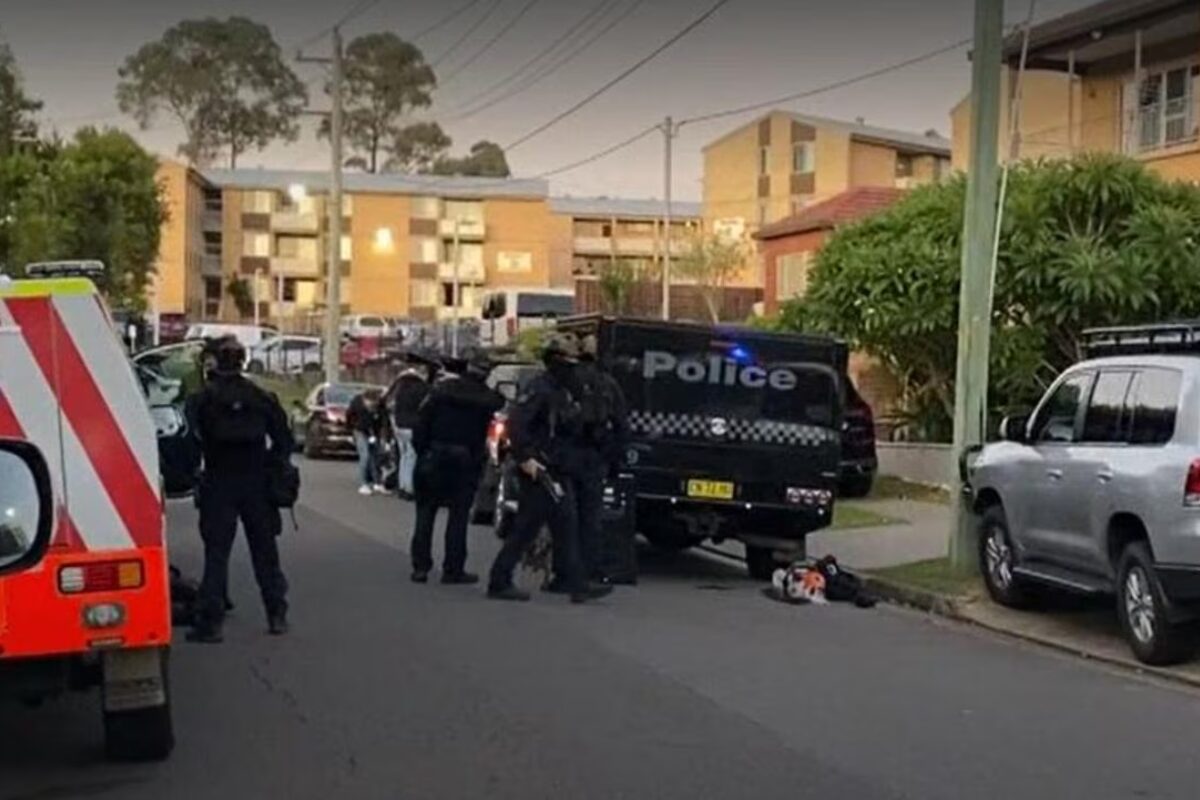
The Safer Australia – Counter-Terrorism and Violent Extremism Strategy is a federal framework that coordinates how Australia prevents and responds to terrorism. It brings together law enforcement, intelligence agencies, health services, education providers and community organisations. Rather than reacting only after attacks, the strategy prioritises reducing risk before violence occurs.
Pillar One: Protecting People and Strengthening Resilience -Sydney terrorism prevention

The first pillar focuses on physical protection and community strength. This includes improving security at crowded places, funding CCTV and protective infrastructure, and supporting communities that may be targeted by hate or intimidation. In Sydney, this pillar underpins visible police patrols, venue security upgrades, and reassurance messaging after incidents.
Pillar Two: Preventing Radicalisation and Intervening Early (Sydney terrorism prevention)

Prevention is the core of Sydney terrorism prevention. This pillar addresses online extremism, social isolation, and early warning signs through intervention programs. Health services, educators and social workers play a role alongside police, supporting individuals before ideology turns into violence. This explains why not all counter-terrorism work involves arrests.
Pillar Three: Responding to and Recovering From Attacks – Sydney terrorism prevention

When attacks or serious incidents occur, the strategy ensures rapid coordination between agencies and long-term recovery support. Victim assistance, mental health services, and financial aid fall under this pillar. Sydney’s response after Bondi reflects this approach, where recovery and resilience are treated as essential parts of prevention.
Why the Strategy Matters for Everyday Sydney Residents

The Safer Australia Strategy makes terrorism prevention a shared responsibility. Reporting suspicious behaviour, supporting community cohesion, and accessing mental health services are not separate actions — they are integral to the national plan. Sydney’s safety depends not only on police operations, but on trust, cooperation and early support systems working together.
Table: The Three Pillars of the Safer Australia Strategy
| Pillar | Focus Area | How It Affects Sydney |
|---|---|---|
| Protect & Resilience | Physical security and community safety | Venue security, patrols, reassurance |
| Prevent & Intervene | Early warning and support | Hotline reports, intervention programs |
| Respond & Recover | Crisis response and recovery | Victim support, mental health care |
The Safer Australia Strategy shows that Sydney terrorism prevention is not built on force alone. It is a layered system that blends intelligence, policing, prevention, and recovery into one coordinated approach. While tactical operations may draw attention, the real strength of the strategy lies in early intervention and resilient communities that reduce the risk of violence before it occurs.
FAQ Section
About the Author


