

The prestige of the white shirt has always demanded excellence, but in 2026, the aura of invincibility at the Santiago Bernabéu has begun to flicker. What observers are currently witnessing is a documented Real Madrid system failure, a structural collapse that transcends a few poor results on the pitch. While the club continues to boast some of the most expensive names in world football, the cohesion required to compete at the highest level of the pro scene tactics has evaporated. This isn’t merely a dip in form; it is a fundamental tactical breakdown where individual brilliance can no longer mask a hollowed-out collective strategy.
The Meta Overview: A Fragmented Tactical Identity
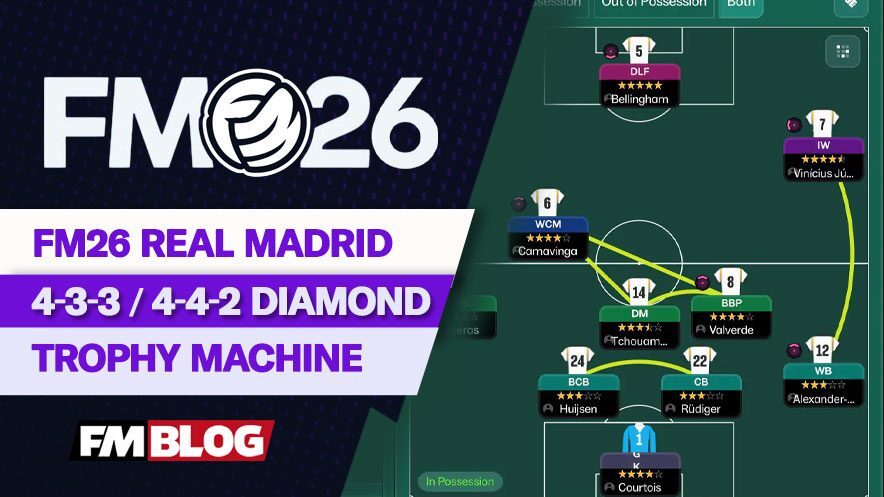
In the current European landscape, success is defined by high-intensity pressing and rigid positional discipline. Real Madrid, conversely, appears caught between two eras. The Real Madrid tactical identity crisis 2026 stems from an attempt to maintain a “laissez-faire” coaching style in an age of micro-managed systems. The Madrid system issues are visible in the transition phases; when the ball is lost, the distance between the midfield and the defensive line is often cavernous, leading to a recurring tactical breakdown that elite opponents have ruthlessly exploited.
The Comparison Matrix: Squad Building vs. Tactical System
To understand why the current roster is struggling, we must look at the friction between the players provided and the roles they are asked to fill. The following matrix highlights the Real Madrid squad building vs tactical system conflict.
| Category | The Recruitment Profile | The Tactical Reality | Disconnect Level |
|---|---|---|---|
| Midfield | High-speed vertical runners | Low-tempo possession needs | High |
| Attack | Left-wing dominant superstars | Lack of central focal point | Extreme |
| Defense | High-line aggressive stoppers | Deep-block protection | Moderate |
| Strategy | Transfer strategy focused on “Brand” | Real Madrid tactics need “Balance” | High |
The “X-Factor” Analysis: Player Power and the Leadership Vacuum
One cannot discuss the Real Madrid coaching instability breakdown without addressing the dressing room dynamics. The Real Madrid player power influence system has historically been a double-edged sword. While it allows veterans to lead in high-pressure moments, it also creates a barrier for tactical evolution.
- The Weight of the Ego: When a squad imbalance occurs—specifically with multiple players occupying the same spatial “zones” on the pitch—it requires a coach with the authority to bench superstars.
- The Tactical Sacrifice: Currently, the club structure seems hesitant to enforce a system that might marginalize key commercial assets, leading to a “forced” starting eleven that lacks natural chemistry.
- The Leadership Gap: With the departure of era-defining veterans, the newer generation has yet to establish the same level of accountability, contributing to the broader Real Madrid system failure.
Strategic Breakdown: Recruitment Flaws and Transfer Impact – Real Madrid System Failure

The Real Madrid recruitment strategy flaws analysis reveals a trend of “collecting” rather than “building.” While the transfer strategy has successfully landed global icons, it has neglected the “glue players” necessary for a functional Madrid system.
- Positional Redundancy: The obsession with inverted wingers has led to a Real Madrid squad imbalance competitive analysis nightmare, where three world-class players prefer the same 20 yards of space.
- Neglect of the Pivot: The Real Madrid transfer strategy tactical impact is most felt in the defensive midfield. Without a disciplined anchor, the Real Madrid tactics collapse during defensive transitions.
- Coaching Turnover: The Real Madrid coaching turnover data analysis suggests that managers are often treated as “ego-managers” rather than “system-builders,” leading to short-term fixes and long-term coaching instability.
Note: The lack of a defined “Plan B” in the Real Madrid management structure football analysis suggests that the club is relying on historical prestige rather than modern football analysis to navigate their current slump.
The Path Forward: Resolving the Systemic Crisis – Real Madrid System Failure
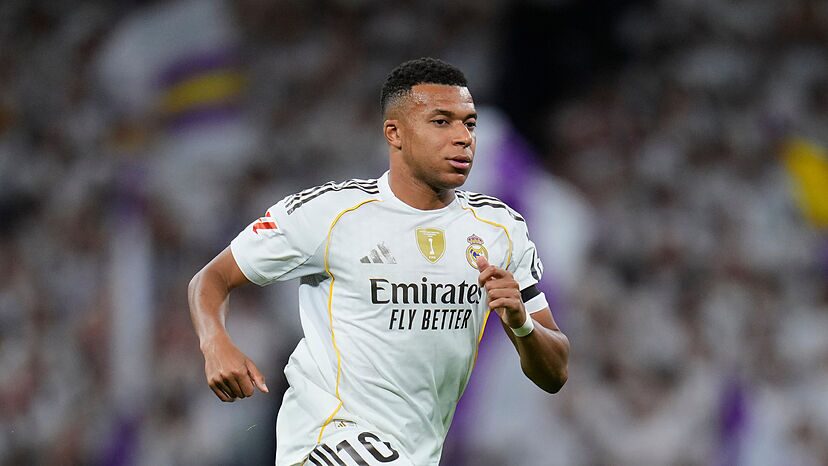
The Real Madrid system failure is not an overnight occurrence, nor will it be solved by a single “Galáctico” signing in the next window. Addressing the coaching instability requires a shift in the club structure, moving toward a model where the manager is empowered to prioritize the tactical breakdown over individual player status.
For the Bernabéu to return to its status as the pinnacle of the sport, the Real Madrid management structure football analysis must conclude that a cohesive Real Madrid tactics profile is more valuable than a collection of disparate stars. Until the squad imbalance is corrected and a clear tactical identity is established, the cycle of coaching instability is likely to continue.
Ultimately, the Real Madrid system failure serves as a cautionary tale for the modern era: in the world of elite pro scene tactics, even the greatest names cannot survive without a functional system. The coming months will determine if the club can reinvent itself or if this tactical identity crisis will define the decade.
About the Author


