

The script was supposed to be legendary. Xabi Alonso returned to the Spanish capital in June 2025, fresh off a historic stint at Bayer Leverkusen, tasked with injecting a modern tactical identity into a club that often thrives on “vibes” alone. Yet, by January 12, 2026, the dream was over. A 3-2 Supercopa de España defeat to Barcelona in Jeddah served as the final straw, triggering an immediate dismissal that ignored his second-place league standing and Champions League progress. This Real Madrid managerial crisis highlights a brutal reality: at the Bernabéu, a manager isn’t an architect; they are a seasonal contractor. The “mutual agreement” exit masks a deeper institutional impatience that views any high-profile loss as a capital offense, regardless of the long-term vision being built.
The Imperial Presidency: Power Without a Buffer
At the core of the Real Madrid managerial crisis is the “Imperial Presidency” of Florentino Pérez. Unlike the modern sporting models seen in the Premier League, Real Madrid operates without a dedicated Sporting Director to act as a shield for the manager. This absence of a buffer means the coach is directly exposed to the President’s personal whims and a media machine that can turn hostile overnight. Success at this club requires “managing upward” to satisfy a board that prioritizes marketability over tactical evolution.
- Presidential Influence: Transfers are often dictated by commercial appeal rather than positional need.
- Media Narratives: Board-aligned outlets frequently leak “concerns” about training methods to prepare the public for a sacking.
- Tactical Isolation: Coaches like Alonso find themselves alone when results dip, with no sporting hierarchy to validate their long-term process.
| Structural Component | Real Madrid Model | Modern Elite Model | Impact on Coach |
|---|---|---|---|
| Recruitment Control | President-led | Sporting Director-led | Forced to use “Star” profiles |
| Tactical Buffer | Non-existent | High | Immediate sacking risk |
| Transfer Logic | Commercial / Marketing | Tactical / Positional | Squad imbalance |
The Galáctico Paradox: Stars Before Systems
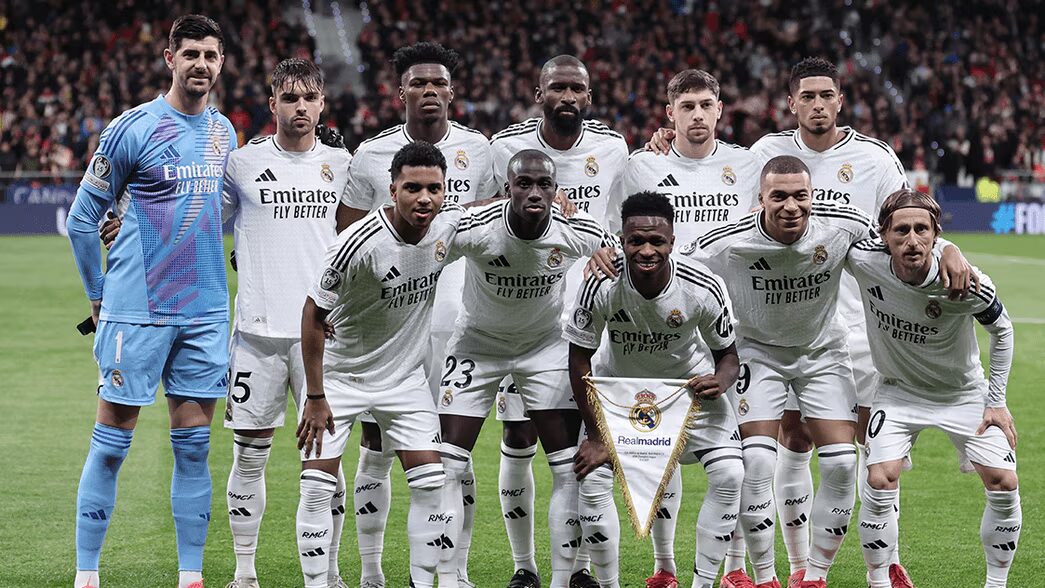
The squad rebuild under the current administration has created a tactical nightmare for any modern coach. While Alonso requested defensive reinforcements—specifically a holding midfielder to replace the retired Toni Kroos—the board continued its “Shiny Object” strategy, stacking the roster with elite attackers. This creates a top-heavy squad where the manager is forced to “shoehorn” superstars into unnatural roles just to get them on the pitch. The Bellingham/CF dilemma and the positional overlap between Mbappé and Vinícius Jr. are not coaching errors; they are the inevitable results of a transfer policy that ignores the necessity of a defensive spine in favor of billboard icons.
Player Power: The Dressing Room Sovereignty

In the hierarchy of Valdebebas, the manager’s whistle often carries less weight than a star player’s Instagram post. The Real Madrid managerial crisis is exacerbated by a culture of player power that has only grown with the arrival of massive global brands. The “Mbappé Incident”—where tactical instructions were met with internal friction—demonstrates that when a player’s brand value exceeds the manager’s status, the manager becomes the expendable variable. Senior players who once anchored the club’s discipline, like Kroos and Nacho, are gone, leaving a leadership vacuum that the board fills by siding with the “stars” whenever tactical friction arises.
The Interim Safety Net: Why Arbeloa is the Symptom – Real Madrid managerial crisis
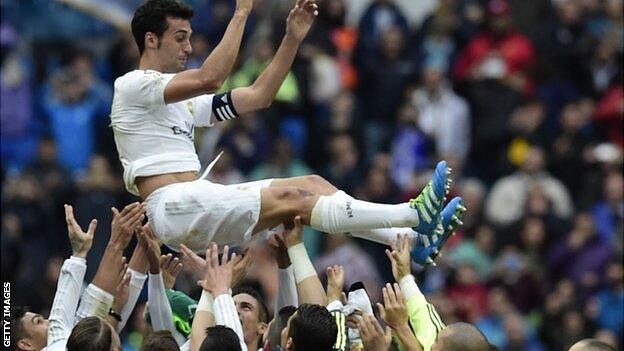
Whenever the “President-centric” model causes a collapse, the board reaches for a familiar face to calm the fans. The appointment of Álvaro Arbeloa from Castilla is the classic “House Man” strategy. While rumors of Jurgen Klopp or Zinedine Zidane serve as a distraction for the media, the interim choice allows the board to maintain absolute control. Arbeloa understands the club’s values, but he lacks the institutional power to demand the structural changes—like a dedicated recruitment department—that are actually required to solve the La Liga problems and the defensive fragility that plagued Alonso.
Conclusion: The Infinite Loop of the Bernabéu – Real Madrid managerial crisis
The Real Madrid managerial crisis is a feature of the club, not a bug. As long as the club structure prioritizes marketing over mechanics, the dugout will remain a revolving door for the world’s best tactical minds. The manager has become the ultimate scapegoat for an imbalanced squad and a boardroom that views football as a branding exercise. Until the club moves away from its “President-centric” whim and empowers a sporting architect over the “stars,” the cycle of sacking legends will continue. The names in the dugout change, but the script remains the same: win everything now, or become the next shadow to be erased.
About the Author


