

The increased mention of Jake Paul and Anthony Joshua in the same boxing discussions didn’t stem from rivalry or negotiation but from the shifting nature of the sport itself. As influencer boxing grows and heavyweight storylines evolve, fans are now encountering unexpected comparisons and formats that blend entertainment with established competition. This guide unpacks why these two names—usually kept far apart—are suddenly appearing side by side.
Where Both Fighters Stand at the Moment
A useful way to understand the conversation is to look at what each fighter is currently pursuing. Paul continues elevating his opponent list to reinforce his legitimacy, while Joshua is navigating a new phase in his career aimed at reclaiming a world title. Media outlets often place these trajectories next to each other, leading to interesting and sometimes humorous contrasts.
The contrast isn’t about skill level but about how each represents a different era and audience within modern boxing.
Why People Keep Linking Their Names – Jake Paul Anthony Joshua
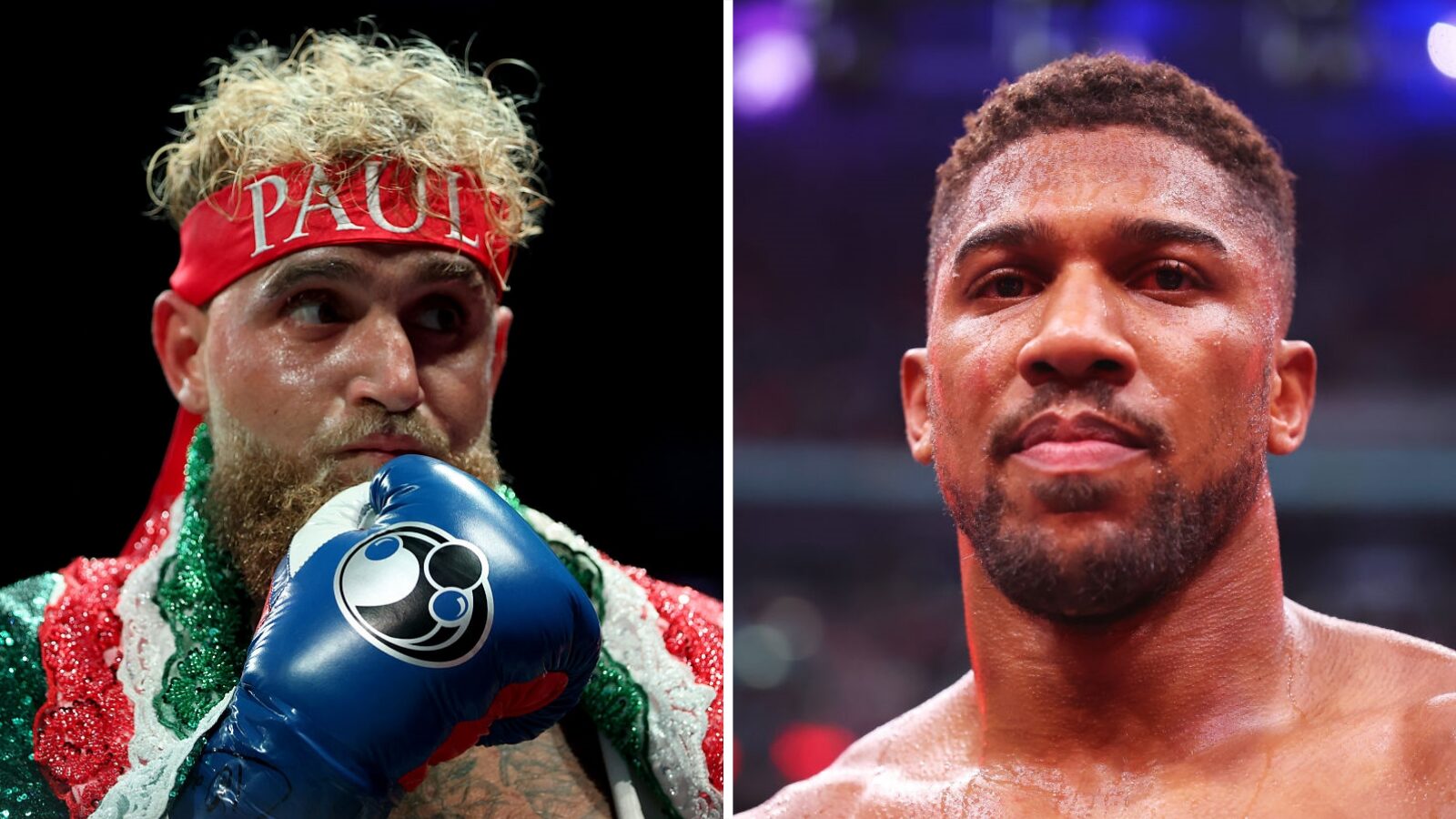
The rise of digital storytelling and quick-hit media formats has created a space where unrelated fighters can still share headlines. Jake Paul’s presence online makes him naturally connected to trending topics, while Joshua remains one of the most recognizable names in heavyweight boxing. Their names often meet in content built to spark reactions—whether through highlight edits, fan debates, or speculative matchups.
These pairings usually come from:
- Promoters teasing unconventional events
- Social-media creators blending traditional and influencer boxing
- Paul calling out increasingly credible fighters
- Joshua being positioned as a benchmark of elite professionalism
Examples like “Could Paul ever face a top heavyweight?” or “What would Joshua say about influencer boxing?” keep the conversation going even without direct interaction.
How Media Outlets Frame the Story – Jake Paul Anthony Joshua
Explainer videos, sports panels, and editorial pieces often highlight the contrast between the two athletes’ paths. Paul’s narrative is built on disruption, marketing power, and unexpected wins, while Joshua’s story focuses on athletic refinement, legacy, and championship stakes. When these frames appear in sequence, viewers naturally compare them—even if that was not the intent.
This format guide-style storytelling helps audiences interpret the sport’s evolution but also adds layers of speculation that blend factual updates with entertainment-driven commentary.
What Fans and Analysts Are Saying Right Now

Public response remains highly varied, fueled by both traditional boxing supporters and digitally driven fanbases. Some see Jake Paul’s rise as refreshing, pointing to increased exposure for younger audiences. Others defend Joshua’s status, arguing that comparisons diminish the competitive integrity of the sport.
Reactions generally fall into familiar themes:
- Enthusiasm from fans who enjoy crossover-era matchups
- Skepticism from boxing purists
- Curiosity from casual viewers who follow viral storylines
- Occasional endorsements or dismissals from former champions
These reactions create a climate where even unrealistic comparisons generate active debate.
Conclusion: Two Very Different Careers Sharing the Same Spotlight
Jake Paul and Anthony Joshua remain far apart in terms of experience, goals, and competitive reality. Yet the modern media landscape keeps placing them in connected discussions, showing how boxing continues to shift into a hybrid of sport, entertainment, and digital culture. Their shared spotlight is not about a future fight but about how today’s audiences consume and interpret boxing narratives. As long as these trends continue, the pairing of their names will likely remain part of the ongoing conversation.
FAQs
About the Author


