

The Fortnite prize pool 2025 has become a point of renewed excitement for players, fans, and industry observers alike. For competitive games, prize money is not just about rewarding winners — it serves as a clear indicator of how committed a publisher is to sustaining esports, it shapes the global prestige of tournaments, and it helps determine whether a title remains in the spotlight against rival games. Fortnite has experienced both explosive highs and quieter stretches in its competitive history, but this year, the numbers point to a healthier ecosystem. Understanding how this prize pool is structured, who benefits most, and how it compares to other esports gives us a better picture of where Fortnite stands in 2025.
Quick Look
A Timeline of Fortnite’s Esports Prize Money
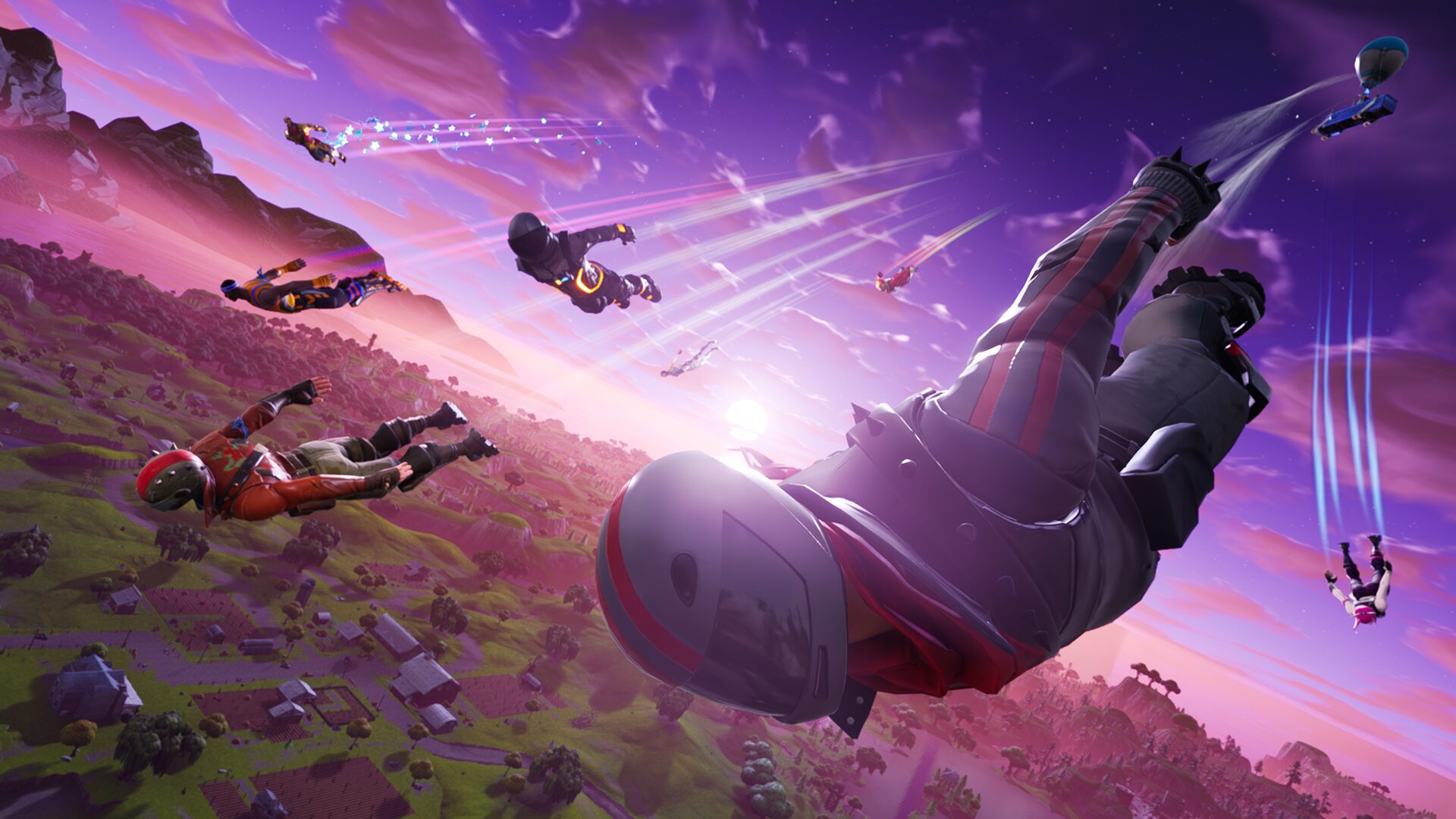
Image Credit: Fortnite
To put the present into perspective, it helps to revisit the past. Fortnite burst onto the esports map in 2018 and quickly became a headline-grabber with its massive prize pools. The 2019 Fortnite World Cup was a defining moment — it offered tens of millions of dollars, transformed teenagers into millionaires overnight, and established Fortnite as a cultural force beyond just gaming. That year set expectations at almost impossible heights.
The following years, however, brought a different reality. From 2020 through 2023, the game’s competitive structure saw reduced prize funding, largely due to shifting priorities at Epic Games and the challenges of hosting global tournaments during the pandemic. Despite this slowdown, Fortnite never disappeared from esports entirely. By late 2024, the tide began turning again, with stronger FNCS events reintroducing bigger prize pools and signaling a return to form. Now, 2025 looks to be the first year in a while where Fortnite is consistently climbing back toward prominence.
The Current State of Fortnite’s Prize Pool in 2025

Looking at 2025 so far, Fortnite has already outperformed its early numbers from last year. The FNCS Global Championship in Copenhagen featured a massive $2 million prize pool, cementing its role as the crown jewel of the competitive circuit. Alongside that, FNCS Major 1 distributed a sizable amount of money, with Majors 2 and 3 scheduled to bring similar or even larger allocations later this year.
When analyzing the regional distribution, Europe continues to hold the top spot, benefiting from a deep talent pool and highly competitive organizations. North America remains a close rival, though its dominance has slightly waned compared to earlier years. Meanwhile, Asia and the Middle East are beginning to capture larger portions of the prize pool, showing that Fortnite is fostering more balanced global participation. Top players such as Merstach, Queasy, and SwizzY have already secured strong earnings this year, while organizations like Gentle Mates and Twisted Minds lead the team category with their championship performances.
How Fortnite’s Prize Money is Distributed Across the Scene

The structure of the Fortnite prize pool 2025 highlights how Epic Games is attempting to balance big flagship events with a steady calendar of smaller competitions. The FNCS Global Championship may be the centerpiece, but the FNCS Majors and regional tournaments ensure that players across all levels of the competitive scene have meaningful stakes to play for. This prevents the ecosystem from being overly reliant on one single mega-event and instead spreads opportunities throughout the year.
- Tournament Focus: FNCS Global Championship set the tone with its $2 million pool, while FNCS Major 1 gave additional weight to early-season competition. Majors 2 and 3 are expected to keep the yearly momentum strong.
- Team & Player Earnings: Gentle Mates and Twisted Minds have earned the biggest shares so far, but mid-tier teams and duos across Europe and Asia are also claiming portions of the money, creating more diverse earnings.
- Broadcast Impact: FNCS has been streamed by more than 770 unique channels in 2025, with English-language coverage reaching the widest audience and French broadcasts seeing rapid growth. This exposure plays a direct role in how sponsorships and partnerships evolve, which in turn influences the future sustainability of prize pools.
This layered approach ensures Fortnite’s esports scene is not just for the elite but also sustainable for those aspiring to break into the top ranks.
Projections and Factors Driving the Prize Pool in 2025

Looking ahead, analysts forecast that Fortnite’s total prize pool for 2025 could surpass the levels of 2024 by a significant margin. While it’s unlikely to reach the peak heights of 2019, the growth this year points to a stronger competitive ecosystem than in recent memory. Much of the final figure will depend on FNCS Major 2 and 3, as these will represent the bulk of the remaining prize money allocation for the year.
Several factors are influencing these projections:
- Epic Games’ long-term esports funding strategy and willingness to keep prize pools stable
- The appeal of Fortnite streams on Twitch and YouTube, which attract advertising and sponsorship interest
- Expansion in non-Western regions such as Asia and the Middle East, helping diversify competition
- Renewed fan engagement, which supports both viewership and brand investment
If these elements remain consistent, Fortnite will not only finish 2025 on solid footing but may also build momentum toward a possible return of a large-scale World Cup-style event in the near future.
Fortnite’s Position Among Other Esports in 2025 – Fortnite prize pool 2025
Compared with the wider esports industry, Fortnite currently sits in a respectable position. Titles like Dota 2 and VALORANT may still outshine it in terms of single-event prize pools, but Fortnite’s strength lies in consistent distribution across its calendar. Instead of one massive event dictating the scene, Fortnite keeps its competitive calendar active, which helps maintain player engagement year-round.
The Fortnite prize pool 2025 is not just about raw numbers — it reflects a commitment to ensuring the game stays competitive within esports. With steady growth this year, a diverse range of regions claiming their share of prize money, and a competitive structure that looks healthier than it has in years, Fortnite is proving that its esports journey is far from over.
FAQs
Q1:How much has Fortnite awarded in esports prize money since 2018? ▼
Q2:What was Fortnite’s biggest single-year prize pool so far? ▼
Q3:Why did Fortnite prize pools drop after 2019? ▼
Q4:How does Fortnite’s all-time prize pool compare to Dota 2 and CS2? ▼
Q5:What is the forecast for Fortnite’s esports prize pool in 2025? ▼
About the Author


