

The landscape of the “console wars” is shifting toward a borderless future. In a move that has sent ripples through the gaming community, Microsoft has essentially confirmed that its upcoming hardware will bridge the gap between two traditionally separate worlds. For players who have long maintained separate libraries, the prospect of next Xbox PC games compatibility represents more than just a hardware upgrade; it is a fundamental pivot in how we define a “console.” Microsoft Executive Vice President for Gaming, Asha Sharma, recently teased that the next-generation machine, currently known under the codename Project Helix, is being built with the explicit goal of playing both your Xbox and PC titles in one place.
The Project Helix Revelation: A New Chapter for Microsoft Gaming

During a recent social media update that caught the industry by surprise, Asha Sharma outlined a vision for the “return of Xbox” that centers on versatility and raw power. While the hardware is still in the developmental stages, the core message was clear: Microsoft is looking to dismantle the barriers that prevent PC enthusiasts and console gamers from sharing the same ecosystem.
“Our commitment to the return of Xbox includes a new console codenamed Project Helix that will lead in performance and play your Xbox and PC games.” — Asha Sharma, EVP for Gaming
This announcement sets the stage for a major presentation at GDC 2026 Xbox sessions, where Sharma is expected to meet with developers to discuss how this unified environment will function. For the average player, this could mean that a single purchase of a digital title provides access across a high-end desktop and a living room console without the need for specialized ports or “Console Edition” compromises.
The Essentials: Project Helix At A Glance
Understanding the Shift: Why the Xbox PC Merger is Happening Now

To understand why Microsoft is moving toward an Xbox PC merger, one has to look at the current state of the market. Last year, the success of the ROG Xbox Ally demonstrated that there is a massive appetite for handheld devices that run a “full-bore Windows” experience with a console-like interface.
- The End of Exclusivity: Microsoft has been gradually releasing its “exclusive” titles on Steam and the Windows Store simultaneously. By making the next console capable of running next Xbox PC games, they effectively turn the console into a specialized, high-performance PC for the living room.
- The Valve Factor: With rumors of a new Valve Steam Machine on the horizon, Microsoft cannot afford to let another company dominate the “PC-in-the-living-room” space.
- Developer Freedom: By moving toward a TV-optimized version of Windows, developers may no longer need to spend months optimizing separate builds for console and PC, potentially speeding up release cycles.
Project Helix News: A Windows-Based Console Experience
The technical community is currently abuzz with speculation regarding how “full” the Windows integration will be. According to industry insiders and reports from late 2025, the Windows Xbox console successor to the Series X might offer a tiered experience.
Users could potentially choose between a “Console Mode”—the familiar, streamlined Xbox dashboard—and a “Desktop Mode” that allows for more traditional PC functionality. This would address one of the biggest questions facing Project Helix news: how to handle PC-centric launchers like Steam, Epic Games Store, and Battle.net. If Microsoft allows these platforms to run natively on the hardware, the “Xbox” would suddenly become the most versatile gaming box ever created.
Challenges Ahead: Performance and User Interface
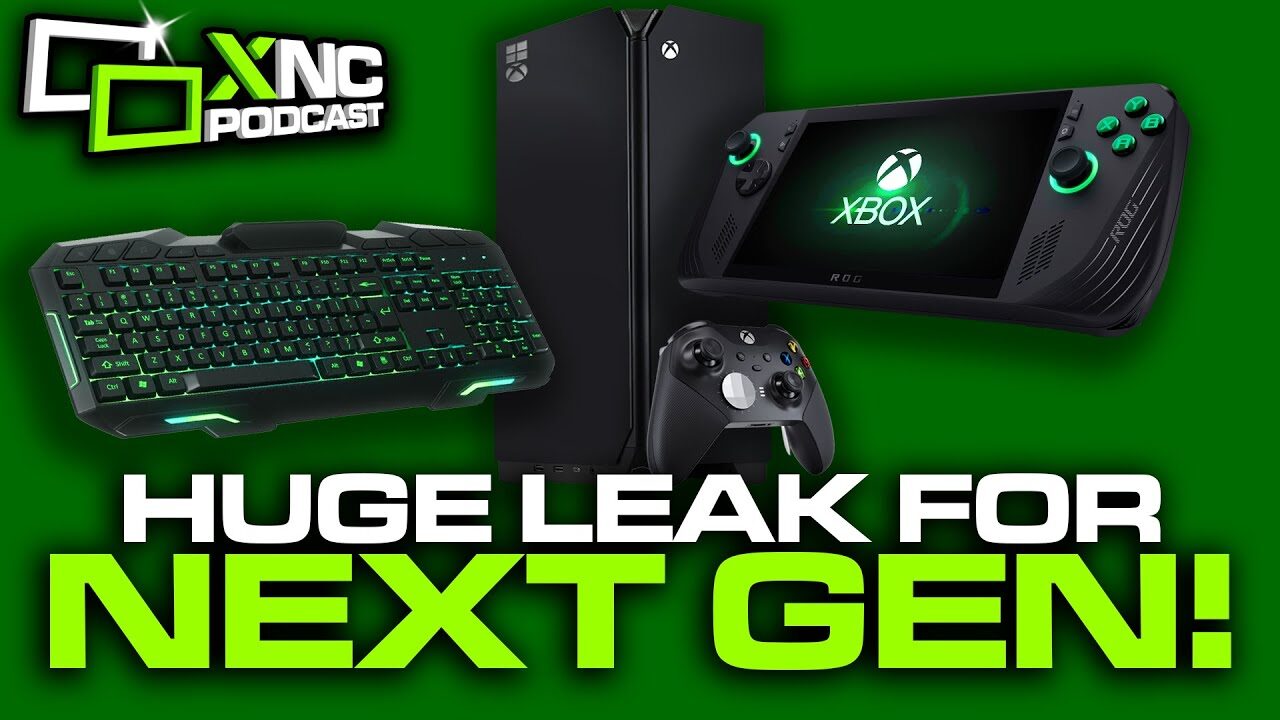
While the idea of a console that plays all next Xbox PC games is enticing, the execution requires surgical precision. There are three main hurdles Microsoft must clear to make Project Helix a success:
- Input Versatility: PC games are often designed for mouse and keyboard. Project Helix will need a sophisticated translation layer or specialized hardware to make these titles feel “right” on a standard controller.
- Hardware Tiers: Rumors suggest Microsoft might launch the console in various performance tiers. Ensuring that a “low-end” Helix can handle unoptimized PC ports will be a significant engineering challenge.
- The Interface: Navigating a Windows-based system with a joystick has historically been a clunky experience. A TV-optimized Windows UI is essential to maintain the “plug-and-play” spirit of console gaming.
The Context: How We Got to Project Helix – Next Xbox PC Games

- Summer 2025: Analysts argue that the walled-garden approach is limiting Xbox growth compared to the expansive PC market.
- October 2025: Rumors surface regarding a “TV-optimized full Windows” build being tested at Microsoft.
- Early 2026: Sony pulls back on day-and-date PC releases for first-party titles, creating a clear strategic divide between the two giants.
- March 2026: Asha Sharma officially uses the “Project Helix” codename in the lead-up to GDC.
Looking Forward: The Future of Xbox as a Gaming PC – Next Xbox PC Games
As we look toward the potential 2027 release window for this hardware, the industry is forced to reconsider what a “console” even is. If Microsoft successfully integrates next Xbox PC games into a single, cohesive box, they won’t just be selling a console; they’ll be selling a standardized gaming PC for the masses. This move signals a potential end to the reliance on traditional console exclusives, focusing instead on the “Xbox ecosystem” as a service that lives everywhere—from the cloud to the desktop to the couch.
The upcoming discussions at GDC 2026 will likely provide the technical roadmap for this ambitious project. Whether Project Helix becomes the ultimate gaming machine or a complex hybrid remains to be seen, but Microsoft has made its gamble clear: the future of gaming is unified, and the wall between the PC and the console is finally coming down.
About the Author


