

The 2026 Game Developers Conference (GDC) in San Francisco, historically the heartbeat of the global gaming industry, is facing an unprecedented crisis of participation. What was once a mandatory pilgrimage for creators worldwide has transformed into a focal point for GDC boycott travel fears, as hundreds of international developers publicly announce their intentions to skip the event. The shift comes amid a tightening of US border security and a shifting political landscape that many creators say makes the journey feel more like a risk than a career opportunity.
The exodus is not merely a matter of logistics or cost; it is a cultural and political statement. For many in the global community, the “Festival of Gaming” has been overshadowed by reports of aggressive border detentions and a domestic environment that feels increasingly hostile to foreign visitors. As the show kicks off, the absence of diverse voices from Europe, Asia, and the Middle East signals a potential permanent shift in how the industry networks.
Key Takeaways: The GDC 2026 Attendance Shift

- Border Scrutiny: Increased reports of border detention stories and phone searches are deterring even high-profile industry veterans.
- Political Climate: The trump travel impact is being felt through tighter visa regulations and aggressive questioning of tourists’ political beliefs.
- Safety Concerns: Beyond the border, san Francisco crime and social issues are causing attendees to weigh the high cost of travel against personal safety.
- Identity Risks: Members of the lgbtq+ community avoids travel to usa due to fears of inconsistent identification laws and potential profiling.
Global Impact: Why International Game Devs Skip GDC
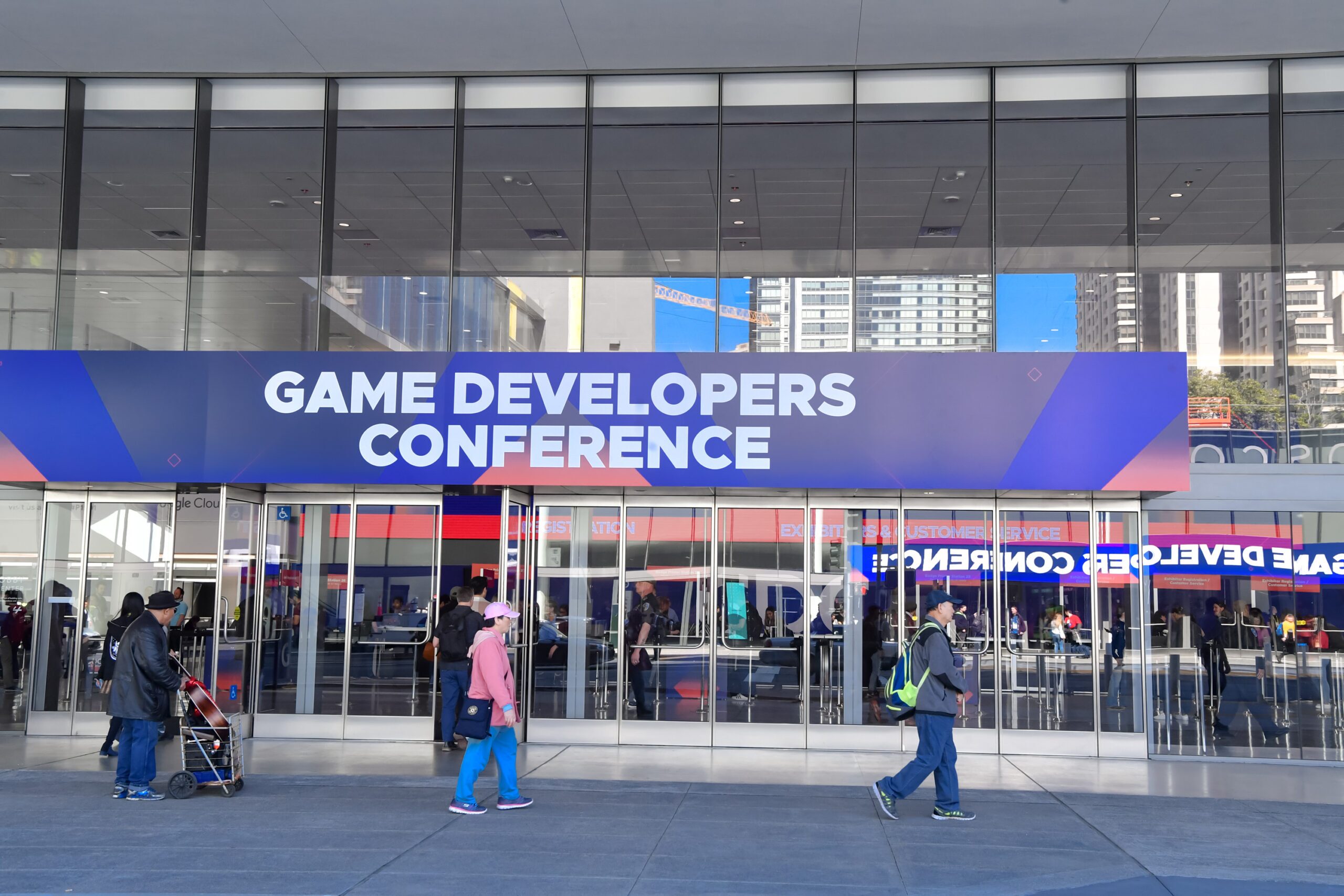
For decades, GDC was the place where deals were signed and indie darlings were discovered. However, the international game developers boycott GDC 2026 is rooted in a fundamental breakdown of trust. Developers who previously navigated the US visa system with ease now report a “guilty until proven innocent” atmosphere at ports of entry.
“The value of in-person events has changed. We used to feel safe, but now the risk of being detained over a social media post or a freelance contract isn’t worth the networking,” says one European studio lead who opted for a virtual presence this year.
This sentiment is echoed across the industry. The impact of us political climate on conferences is becoming a tangible economic factor. When creators from the Godot Foundation or prominent indie consultants like Rami Ismail signal that the US is “simply not safe to travel” under current administrations, the industry listens. This isn’t just a handful of individuals; it is a global gaming industry reacts to us policies in real-time.
The Essentials: GDC 2026 at a Glance
Border Security and the New Travel Reality
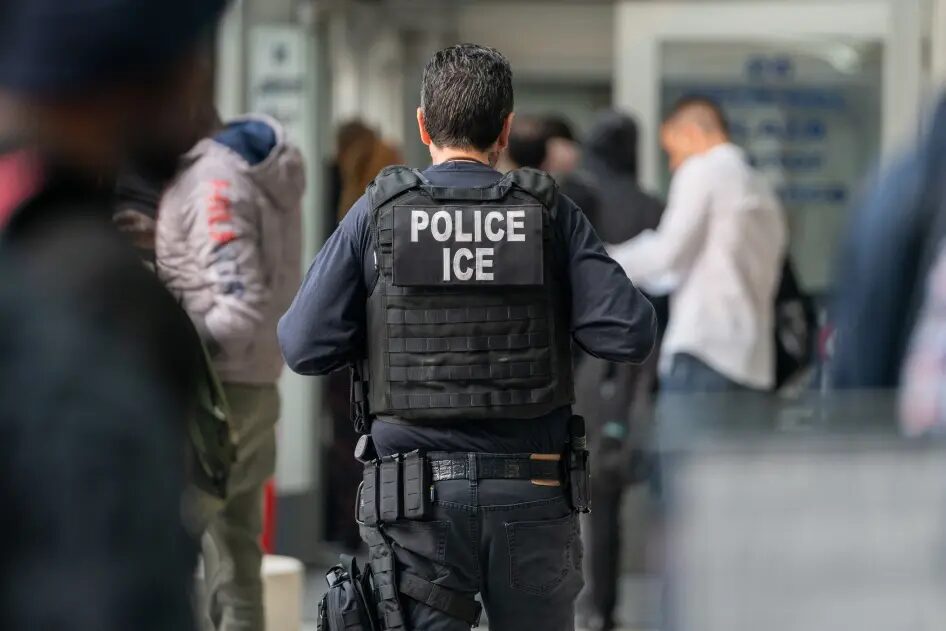
The primary driver behind the game developers refuse to travel to america movement is the reported escalation of scrutiny at the border. In early 2025, stories began circulating of tourists being turned away for “outspoken political beliefs” or for having digital footprints that ran afoul of the current administration.
For many, us border security concerns for tourists have moved from theoretical anxieties to lived experiences. Developers have reported “scrubbing” their social media accounts before flying or carrying “burner” devices to avoid having their personal data harvested by ICE agents. These stories of detainment at US border have created a chilling effect that GDC organizers are struggling to counteract.
GDC Boycott Travel Fears: The San Francisco Factor
While border issues represent the first hurdle, the destination itself is under fire. The rebranding of GDC as the “Festival of Gaming” was intended to breathe new life into the event, but the GDC 2026 safety concerns for attendees remain focused on the streets of San Francisco. International visitors, particularly those from countries with robust social safety nets, have expressed “alienation” at the visible poverty and open drug use in the city’s Tenderloin and SOMA districts.
When you combine the high cost of a “Scandinavian luxury” trip with the risk of san francisco crime, the math no longer adds up for many. The result is that game devs skip GDC in favor of more localized, European-based events like Gamescom or Nordic Game, which are seen as safer and more inclusive.
Expert Commentary on the Industry Shift – GDC boycott travel fears

Industry analysts suggest that the us unsafe for tourists narrative might lead to a permanent decentralization of the gaming world.
“What we are seeing is the ‘un-Americanization’ of the dev scene. If the primary hub for talent exchange becomes a ‘no-go zone’ for a third of the world’s creators, the hub will eventually move. You cannot have a global conference when the ‘global’ part is filtered through a restrictive border policy.” — Senior Industry Analyst
The international boycotts aren’t just about the developers themselves, but the brands they represent. Major entities like Xbox have noted that many of their international staff are refusing to attend US-based events, citing the trump administration policies spark travel fears as a non-negotiable barrier.
Conclusion: A Turning Point for the Industry – GDC boycott travel fears
As GDC 2026 continues, the industry finds itself at a crossroads. The GDC boycott travel fears have exposed a deep rift between the American-centric tech world and the global creative community. While the conference remains a powerhouse of information, its “Festival of Gaming” rebrand cannot mask the empty chairs left by those who felt the journey was too dangerous.
Ultimately, the global gaming industry reacts to us policies by voting with their feet—or rather, by staying home. Whether GDC can retain its crown as the world’s premier developer event will depend largely on whether the US can once again project an image of safety and welcome to the creators who build our digital worlds.
About the Author


