

For years, the ritual of launching a high-end PC title for the first time has been interrupted by a spinning circle and a progress bar labeled “Compiling Shaders.” This technical bottleneck, while necessary for performance, has become a major point of friction in the user experience. However, a major PC shader compiling fix is finally on the horizon. At the recent Game Developers Conference (GDC), Microsoft detailed its “Advanced Shader Delivery” (ASD) system, a transition intended to bring console-like “instant-play” speeds to the fragmented world of PC hardware.
The shift represents a fundamental change in how Windows interacts with your graphics card. Traditionally, because there are thousands of possible combinations of GPUs and drivers, developers ship games with raw shader code that your PC must “translate” or compile locally. This process often takes minutes and can cause stuttering if handled during gameplay. Microsoft’s new infrastructure aims to move this heavy lifting from your living room to the cloud, allowing players to download pre-rendered solutions before they even hit “Play.”
The Essentials: Advanced Shader Delivery at a Glance
Understanding the PC Shader Compiling Fix

To appreciate why this matters, one has to look at the “Console Advantage.” On a PlayStation 5 or Xbox Series X, every user has the exact same hardware. Developers compile the shaders once, bake them into the game files, and the game loads instantly. On PC, the sheer variety of hardware makes this impossible—until now.
The PC shader compiling fix introduced by Microsoft utilizes a two-step process to bridge this gap. First, developers use the Direct3D API to create a State Object Database (SODB), which acts as a master blueprint of all the visual effects in the game. Microsoft then runs this blueprint through various compilers to create a Precompiled Shader Database (PSDB). This database covers a massive matrix of Nvidia, Intel, and AMD drivers, ensuring that when you download a game, you also download the specific “translated” code your GPU needs.
“Microsoft’s Advanced Shader Delivery infrastructure aims to fix this problem by automating the process of precompiling shaders that work across a large matrix of drivers and GPUs in the Windows ecosystem.” — Industry Analysis, GDC 2026.
Immediate Impact: Performance Boost for Handhelds and Desktop

While desktop users will appreciate the time saved, the real winners of this microsoft shader update are users of Windows-based handhelds. Devices like the ROG Xbox Ally and Lenovo Legion Go are often restricted by battery life and thermal limits. Forcing a handheld CPU to max out for five minutes just to compile shaders is a massive drain on resources.
Key Contextual Updates:
- Early Success: In internal testing with the RPG Avowed, Microsoft noted a launch time reduction of 85% on handheld hardware.
- Driver Harmony: Previously, every time you performed a gpu driver update, your cache was wiped, forcing a re-compile. ASD allows these updates to be delivered as small patches instead.
- Storage Efficiency: By downloading only the PSDB relevant to your specific hardware, the system avoids bloating your SSD with unnecessary data.
Industry Adoption: Nvidia, Intel, and the Epic Factor
A pc gaming fix of this scale requires more than just Microsoft’s approval; it needs the “Big Three” hardware vendors and major engine developers to play ball. The rollout is currently in a “phased” approach as hardware giants prepare their drivers for the new standard.
- Nvidia: Confirmed they are working closely with Microsoft to bring ASD support to the GeForce RTX line later this year.
- Intel: Stated they are in the final stages of preparing a driver that supports the new shader delivery system.
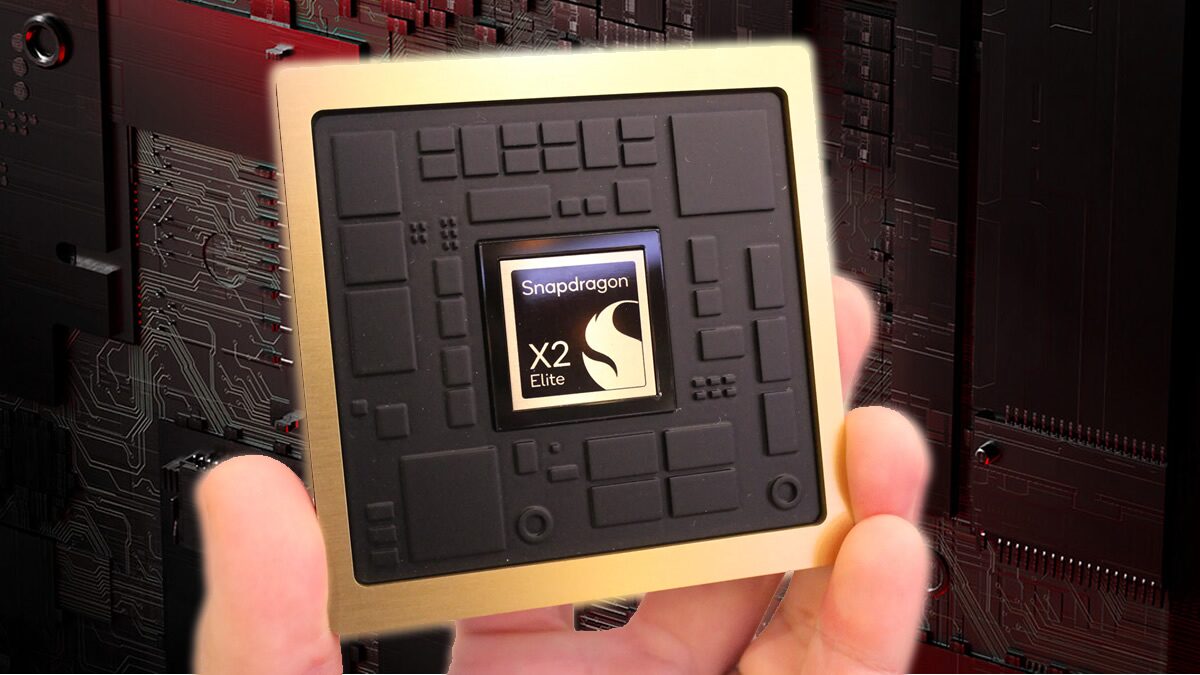
- Qualcomm: Plans to debut the feature on the new Adreno X2 GPUs, targeting the growing “Windows on ARM” laptop market.
However, the “X-factor” remains Epic Games. As the creators of Unreal Engine, their integration of the SODB APIs is crucial for widespread developer adoption. Currently, Epic is in “early testing,” suggesting that while the tech is ready, it may take another year before it becomes the default standard for every major AAA release.
A Platform-Agnostic Future for Windows Gaming – PC shader compiling fix
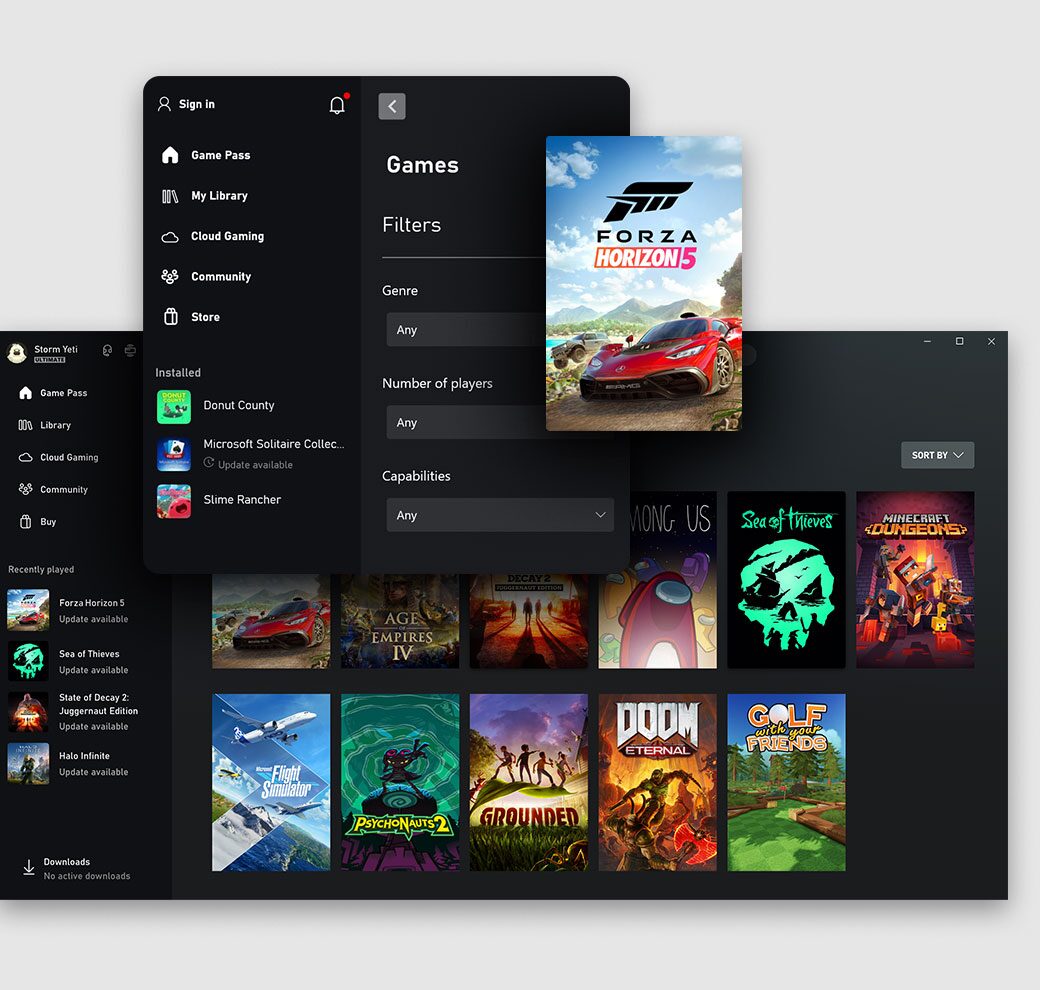
One of the most surprising elements of this announcement is Microsoft’s willingness to share. While the feature is currently launching via the xbox app pc ecosystem, Microsoft has stated that this is not intended to be a proprietary lock-in.
In the future, any digital storefront—including Steam or the Epic Games Store—will be able to utilize the SODB and PSDB infrastructure. This means the PC shader compiling fix could eventually become a universal Windows feature, rather than a perk of the Xbox ecosystem. For the average player, this translates to a future where “loading” actually means loading the game world, not waiting for your computer to finish its homework.
Reflecting on the End of the Compilation Era – PC shader compiling fix
As we move toward May 2026, when developers can officially begin uploading their precompiled databases to the Xbox Partner Center, the era of the “Shader Progress Bar” seems to be drawing to a close. It is a rare moment where a technical backend update has a direct, visceral impact on how we enjoy our hobby.
By streamlining the PC shader compiling fix, Microsoft is addressing one of the last major hurdles that made PC gaming feel “clunkier” than its console counterparts. This year’s journey toward a seamless launch experience promises to keep Windows at the heart of the high-performance gaming community, ensuring that the only thing players have to worry about is the game itself.
About the Author


