

The path to the modern open world game 2026 has been marked by a transition from quantity to quality. In the early days of the genre, the primary goal was simply to provide “bigness”—vast stretches of land that gave the illusion of freedom. However, the current standard is defined by density. Today’s players expect every corner of the map to have a purpose, moving away from procedural filler and toward hand-crafted environments. This evolution has transformed the player from a traveler passing through a landscape into an active participant who can influence the very fabric of the digital world
| Era | Core Milestone | Iconic Examples |
|---|---|---|
| The Foundation | Establishing vast, 3D exploration. | Skyrim, GTA V |
| The Narrative Shift | Prioritizing quest depth and world texture. | The Witcher 3, RDR2 |
| The Systems Era | Physics and chemistry-based interaction. | Zelda: Breath of the Wild / Tears of the Kingdom |
| The Modern Peak | Total reactivity and vertical density. | Cyberpunk 2077, Elden Ring |
The Narrative Revolution and the Birth of Meaningful Choice

As we moved into the mid-2010s, the “checklist” style of gameplay began to fade, replaced by the demand for narrative weight. This was the moment when best story-driven open world games 2026 players started seeing their actions reflected in the environment. The Witcher 3 changed the game by treating every side quest with the respect of a main story. This legacy has trickled down into the modern day, where titles like Baldur’s Gate 3 allow for a level of branching consequence that makes the world feel like it is truly listening to the player’s moral compass.
- Moral Ambiguity: Moving away from “good vs. evil” to choices with unforeseen long-term costs.
- Dynamic World States: Environments that physically change based on faction alliances or player combat.
- NPC Memory: Characters that remember previous interactions, altering the social landscape of the game.
The Death of the Minimap and the Rise of Open world game 2026 Instincts
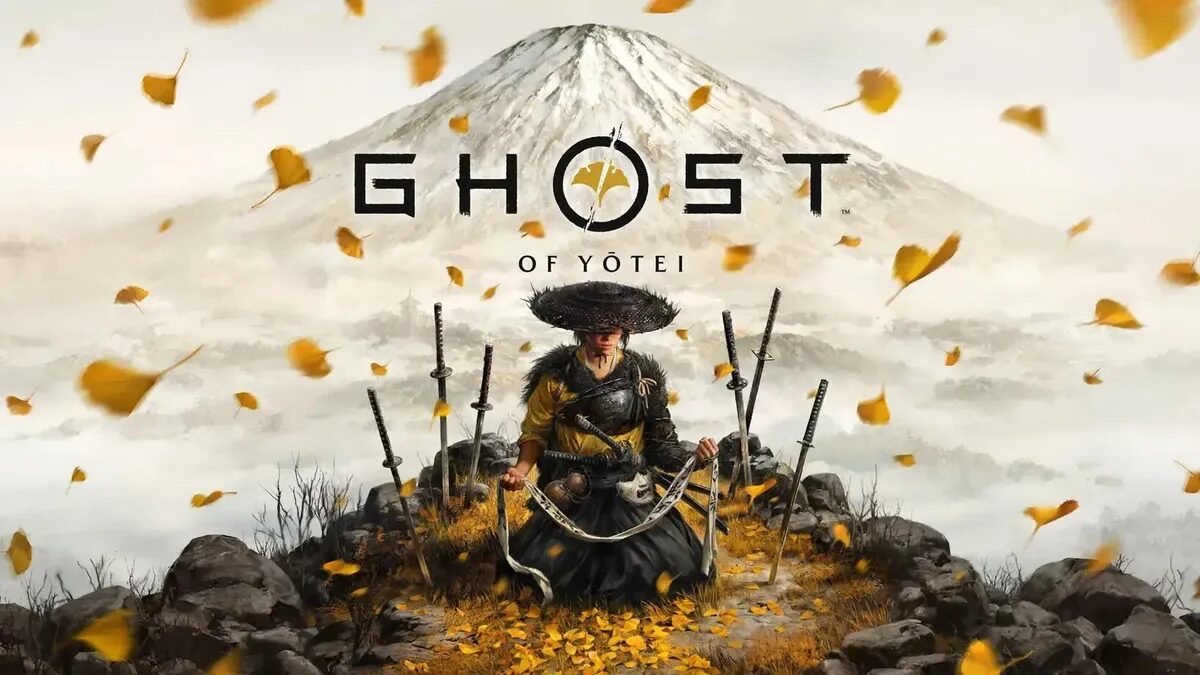
A pivotal turning point in the timeline occurred when developers began to trust the player’s intelligence. For a decade, the “Ubisoft tower” and the GPS-style minimap dominated the genre. However, the most successful exploration games of the current era have stripped these away. By looking at Elden Ring or Ghost of Yotei, we see a design philosophy that encourages looking at the horizon rather than a UI icon. This shift toward “organic discovery” has restored the sense of mystery that was lost during the era of over-guided navigation.
Mastering the Verticality of Next-Gen Environments

The physical structure of these worlds has evolved from flat, horizontal planes to complex, multi-layered simulations. Thanks to the power of PS5 games and Xbox Series X hardware, we are no longer limited to the ground. The verticality seen in Cyberpunk 2077‘s Night City or the floating archipelagos of Tears of the Kingdom added a whole new dimension to how we perceive space. This technical evolution allows for a much higher “density-per-square-meter,” making a single city block feel as expansive as an entire kingdom from the previous console generation.
- Seamless Interiors: Entering buildings and dungeons without a single loading screen.
- Urban Layering: Multi-level cities with distinct social and mechanical ecosystems on every floor.
- Physics-Based Movement: Using wind, gravity, and climbing mechanics to navigate 3D space creatively.
The Era of the Persistent World: Evolution Beyond Launch

In the modern gaming list 2026, a game’s release date is often just the beginning of its story. The “Evolution Style” of development is best seen in live-service titles that have spent years refining their craft. Games like No Man’s Sky and Sea of Thieves have undergone total metamorphoses, adding more content post-launch than they had at inception. This trend has created a market where players can invest thousands of hours into a single world, knowing it will continue to grow and adapt alongside its community.
Reflections on a Mature Genre and the Road Ahead
Looking back at the trajectory of the open-world genre, it’s clear that we have reached a pinnacle of digital expression. The open world game 2026 landscape is a sophisticated blend of everything that came before: the scale of the early 2010s, the narrative depth of the late 2010s, and the systemic freedom of the early 2020s. We are currently enjoying a golden age where even older classics are being brought into the modern light through high-quality remasters, ensuring the genre’s history is never forgotten.
As we look toward the massive potential of The Elder Scrolls VI and GTA 6, we can appreciate the foundation they are being built upon. The horizons are no longer just visual—they are mechanical, emotional, and social. Whether you are seeking a realistic historical escape or a journey through the stars, the evolution of the open world has ensured that there is a virtual home for every kind of explorer.
About the Author


